

















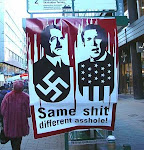



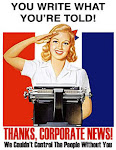








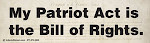
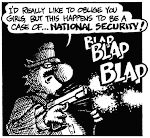
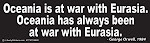




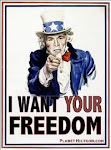


I found this on FaceBook..........the time is right for some national action......please join us on the frontlines of Democracy........
A call for a Nationwide General Strike!!
Share · Public Event.--------------------------------------------------------------------------------
Location From sea to shining sea...
--------------------------------------------------------------------------------
Created By Mike Benedict, Yuri Hall Keegstra
--------------------------------------------------------------------------------
More Info We’re calling for a day of NON-VIOLENT ACTION to show the greedy corporations and their political lackeys that it is WE THE PEOPLE that make this democracy work and this country great. The plan is that we will not go to work or class and instead march, picket, gather in a place that makes sense in our town, city, or county, and non-violently make noise, create excitement, and promote solidarity.
HOW?
This will only work if YOU wor...k to help organize, get the word out (repost, share, invite friends) and participate. We’re calling for ACTION, helping to connect people, and providing other support as needed. You know your community. You know what will work. Leafleting? Picketing? A march? Neither of us can nor should dictate what local actions or activities look like. We ask that if you operate under the auspices of this movement that it be non-violent, but beyond that we want you, your family, friends, neighbors, and colleagues to creatively design and plan what is right for you.
From our group/cause page,
http://www.facebook.com/pages/Call-for-a-Nationwide-General-Strike/150601308334693?sk=app_2373072738
click on "Discussions" on the left side. I now have topics for every state! Please check in, and let people know ...what state and city you are in or plan to be in on March 31.
WHY?
The lower 98% in the U.S. are under attack in a way not seen in generations. From union busting to outsourcing to mass layoffs, the working people of this country are being assaulted by corporations and plutocrats. While we lose our jobs, our benefits, and take cuts in pay, the rich are awarded massive tax breaks and amass obscene amounts of wealth. They buy politicians to do their bidding and pull the strings of corporate media to tell us that WE have to make sacrifices.
We believe that the workers, the unemployed, the underemployed, the students, the bottom 98% — have sacrificed ENOUGH and that it is time for us to say NO.
WHEN?
March 31st is the birthday of César Chávez, one of the preeminent labor and civil rights leaders in the U.S. during the 20th century. César Chávez and his incredible work helped to build the US Labor movement and the modern middle class. Our action, on his birthday, will strengthen the labor movement and help ensure that there will be a middle class tomorrow.
If you’re not familiar with him, you can start by reading these two links:
http://en.wikipedia.org/wiki/César_Chávez
http://www.ufw.org/_page.php?inc=history%2F07.html&menu=research
Who is behind this?
Mike Benedict: Mike works in a vibrations test lab in Erie Pennsylvania and has been a UE (United Electric, Radio and Machine Workers of America) member for nearly 17 years. He has organized, fought for workers rights, single payer healthcare (HR 676) was canvass coordinator for Erie Pennsylvania during the 2004 John Kerry Campaign and ran for Eire city council in 2005. As someone that has studied the history of labor and economic trends, he recognized that we are now at a defining moment and that large scale action is necessary.
Yuri Keegstra: Yuri came across the “A Call For a General Strike” event on Facebook one night while organizing and sharing info regarding protests in Wisconsin and thought “absolutely!”. He works in IT at a Wisconsin university and is a proud union member. He has a strong interest in the civil rights, environmental, universal health care, anti-war, social justice, economic justice, and animal rights movements. He has been an organizer and activist since he was a teenager. More info can be found on his Facebook profile.
Who is behind them?
Nobody. Mike created the event and issued the call. Yuri saw, joined, and offered to help. Two people, a couple states apart, working on their own time with their own equipment. No union money. No political party money. No organization money. Nobody dictating or suggesting what to say or do. Just us — oh, and YOU!
See More
Friday, March 11, 2011


Sunday, July 11, 2010
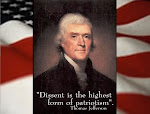
The Wisdom of Thomas Jefferson
John F. Kennedy held a dinner in the white House for a group of the
brightest minds in the nation at that time. He made this statement:
"This is perhaps the assembly of the most intelligence ever to
gather at one time in the White House with the exception of
when Thomas Jefferson dined alone."
Especially read the last quote from 1802.
When we get piled
upon one another in large cities, as in Europe,
we shall become as corrupt as Europe .
Thomas Jefferson
The democracy will cease to exist
when you take away from those
who are willing to work and give to those who would not.
Thomas Jefferson
It is incumbent on every
generation to pay its own debts as it goes.
A principle which if acted on would save
one-half the wars of the world.
Thomas Jefferson
I predict future happiness for
Americans if they can prevent the government
from wasting the labors of the people under the
pretense of taking care of them.
Thomas Jefferson
My reading of history convinces me
that most bad government results from too much
government.
Thomas Jefferson
No free man shall ever be debarred
the use of arms.
Thomas Jefferson
The strongest reason for the
people to retain the right to keep and bear arms
is, as a last resort, to protect themselves
against tyranny in government.
Thomas Jefferson
The tree of liberty must be
refreshed from time to time with the blood of
patriots and tyrants.
Thomas Jefferson
To compel a man to subsidize with
his taxes the propagation of ideas which he
disbelieves and abhors is sinful and tyrannical.
Thomas Jefferson
Thomas Jefferson said in 1802:
'I believe that
banking institutions are more dangerous to
our liberties than standing armies.
If the American people ever allow
private banks to control the issue of their
currency, first by inflation, then by
deflation, the banks and corporations that will
grow up around the banks will deprive the people
of all property - until their children
wake-up homeless on the continent their fathers
conquered.'
brightest minds in the nation at that time. He made this statement:
"This is perhaps the assembly of the most intelligence ever to
gather at one time in the White House with the exception of
when Thomas Jefferson dined alone."
Especially read the last quote from 1802.
When we get piled
upon one another in large cities, as in Europe,
we shall become as corrupt as Europe .
Thomas Jefferson
The democracy will cease to exist
when you take away from those
who are willing to work and give to those who would not.
Thomas Jefferson
It is incumbent on every
generation to pay its own debts as it goes.
A principle which if acted on would save
one-half the wars of the world.
Thomas Jefferson
I predict future happiness for
Americans if they can prevent the government
from wasting the labors of the people under the
pretense of taking care of them.
Thomas Jefferson
My reading of history convinces me
that most bad government results from too much
government.
Thomas Jefferson
No free man shall ever be debarred
the use of arms.
Thomas Jefferson
The strongest reason for the
people to retain the right to keep and bear arms
is, as a last resort, to protect themselves
against tyranny in government.
Thomas Jefferson
The tree of liberty must be
refreshed from time to time with the blood of
patriots and tyrants.
Thomas Jefferson
To compel a man to subsidize with
his taxes the propagation of ideas which he
disbelieves and abhors is sinful and tyrannical.
Thomas Jefferson
Thomas Jefferson said in 1802:
'I believe that
banking institutions are more dangerous to
our liberties than standing armies.
If the American people ever allow
private banks to control the issue of their
currency, first by inflation, then by
deflation, the banks and corporations that will
grow up around the banks will deprive the people
of all property - until their children
wake-up homeless on the continent their fathers
conquered.'
Michael Moore: Why I Had to Hire 9 Bodyguards After Winning an Oscar
click on title for webpage............ 11 pages total..........
Democracy Now! / By Amy Goodman and Michael Moore
Michael Moore: Why I Had to Hire 9 Bodyguards After Winning an Oscar
In a wide-ranging interview, Moore talks about his controversial career, taking over his local Democratic Party, and unloads on Obama's handling of the Afghan war.
July 7, 2010
Amy Goodman: In this Democracy Now special, we spend the hour with one of the most famous independent filmmakers in the world, Michael Moore. For the past twenty years, Michael has been one of the most politically active, provocative and successful documentary filmmakers in the business. His films include Roger and me; Bowling for Columbine for which he won the Academy Award, Fahrenheit 9/11, SiCkO ; and his latest, Capitalism: A Love Story. I began by asking Michael Moore why he first became a filmmaker.
Michael Moore: I had a newspaper in Flint, Michigan called the Flint Voice, and so it was a, you know, underground, alternative newspaper that I edited and put out for about ten years. And we were always going up against General Motors and the powers that be in town and not getting very far.
And so, there was a magazine out in San Francisco that had been subscribing to my paper and asked me if I would come out and be the editor of this magazine. And so I thought that sounded like a cool idea, to do what I was doing in Flint and do it on a national scale, so I took the job. And right away there were—obviously there were problems with the owner of the magazine and me that we didn’t see eye to eye on a number of things. I wanted the magazine to try and reach more of a working-class audience, and they were more concerned, I think, about reaching more of a, you know, college-educated, liberal group of people, and—which are good people. But so, I was fired on Labor Day, about four months into it, and so I was out of work.
And I had given up everything in Flint. I had sold my paper and the house and everything. I don’t know if you’ve ever been unemployed, but it’s not pleasant, and you don’t know what’s going to happen next. Of course, I just had a high school education, so I wasn’t qualified to do anything or whatever. So I went back to Michigan and just to visit friends and family. And while I was there, there was a news bulletin that came on TV saying that Roger Smith was announcing that he was going to lay off another 30,000 people at GM, 10,000 of which would be at Flint. And Flint had already lost about 20,000 jobs at that point. Now, this is 1986. So I just thought, you know, I should just make a movie about this.
And I didn’t know anything about making a movie, and I hadn’t gone to film school or whatever. But the year before, these people had come to Flint to make a movie about the Klan and the Nazis that were kind of preying upon the unemployed at that time in Michigan, and they asked me if I would help them. And so, I said, "Sure," because, you know, they knew of my paper. And I kind of thought it was kind of cool, you know, how they did this, and I was watching how they did it. And one of them had made a film called The Atomic Cafe, a documentary back in the '80s. Remember that? It was very funny, you know, a cool documentary. And then the second person, Anne Bohlen, had made a film that I think won the Oscar. It was called With Babies and Banners. It was about the women's involvement in the Flint sit-down strike of 1936 and '37. And a third person was Jim Ridgeway, who was a great columnist of the Village Voice.
Democracy Now! / By Amy Goodman and Michael Moore
Michael Moore: Why I Had to Hire 9 Bodyguards After Winning an Oscar
In a wide-ranging interview, Moore talks about his controversial career, taking over his local Democratic Party, and unloads on Obama's handling of the Afghan war.
July 7, 2010
Amy Goodman: In this Democracy Now special, we spend the hour with one of the most famous independent filmmakers in the world, Michael Moore. For the past twenty years, Michael has been one of the most politically active, provocative and successful documentary filmmakers in the business. His films include Roger and me; Bowling for Columbine for which he won the Academy Award, Fahrenheit 9/11, SiCkO ; and his latest, Capitalism: A Love Story. I began by asking Michael Moore why he first became a filmmaker.
Michael Moore: I had a newspaper in Flint, Michigan called the Flint Voice, and so it was a, you know, underground, alternative newspaper that I edited and put out for about ten years. And we were always going up against General Motors and the powers that be in town and not getting very far.
And so, there was a magazine out in San Francisco that had been subscribing to my paper and asked me if I would come out and be the editor of this magazine. And so I thought that sounded like a cool idea, to do what I was doing in Flint and do it on a national scale, so I took the job. And right away there were—obviously there were problems with the owner of the magazine and me that we didn’t see eye to eye on a number of things. I wanted the magazine to try and reach more of a working-class audience, and they were more concerned, I think, about reaching more of a, you know, college-educated, liberal group of people, and—which are good people. But so, I was fired on Labor Day, about four months into it, and so I was out of work.
And I had given up everything in Flint. I had sold my paper and the house and everything. I don’t know if you’ve ever been unemployed, but it’s not pleasant, and you don’t know what’s going to happen next. Of course, I just had a high school education, so I wasn’t qualified to do anything or whatever. So I went back to Michigan and just to visit friends and family. And while I was there, there was a news bulletin that came on TV saying that Roger Smith was announcing that he was going to lay off another 30,000 people at GM, 10,000 of which would be at Flint. And Flint had already lost about 20,000 jobs at that point. Now, this is 1986. So I just thought, you know, I should just make a movie about this.
And I didn’t know anything about making a movie, and I hadn’t gone to film school or whatever. But the year before, these people had come to Flint to make a movie about the Klan and the Nazis that were kind of preying upon the unemployed at that time in Michigan, and they asked me if I would help them. And so, I said, "Sure," because, you know, they knew of my paper. And I kind of thought it was kind of cool, you know, how they did this, and I was watching how they did it. And one of them had made a film called The Atomic Cafe, a documentary back in the '80s. Remember that? It was very funny, you know, a cool documentary. And then the second person, Anne Bohlen, had made a film that I think won the Oscar. It was called With Babies and Banners. It was about the women's involvement in the Flint sit-down strike of 1936 and '37. And a third person was Jim Ridgeway, who was a great columnist of the Village Voice.
AMERICA 2.0: INSTANT RUNOFF VOTING & PROPORTIONAL REPRESENTATION
click on title for webpage............
July 3, 2010
AMERICA 2.0: INSTANT RUNOFF VOTING & PROPORTIONAL REPRESENTATION
VIDEO EXPLAINING INSTANT RUNOFF VOTING
Fair Vote - IRV allows voters to rank candidates in order of preference (i.e. first, second, third, fourth and so on). Voters have the option to rank as many or as few candidates as they wish, but can vote without fear that ranking less favored candidates will harm the chances of their most preferred candidates. First choices are then tabulated, and if a candidate receives a majority of first choices, he or she is elected. If nobody has a clear majority of votes on the first count, a series of runoffs are simulated, using each voter’s preferences indicated on the ballot.
The candidate who received the fewest first place choices is eliminated. All ballots are then retabulated, with each ballot counting as one vote for each voter's highest ranked candidate who has not been eliminated.
Specifically, voters who chose the now-eliminated candidate will now have their ballots counted for their second ranked candidate -- just as if they were voting in a traditional two-round runoff election -- but all other voters get to continue supporting their top candidate. The weakest candidates are successively eliminated and their voters' ballots are redistributed to next choices until a candidate earns a majority of votes.
Instant runoff voting allows for better voter choice and wider voter participation by accommodating multiple candidates in single seat races and alleviating the "spoiler effect," which can result in undemocratic outcomes. IRV allows all voters to vote for their favorite candidate, while avoiding the fear of helping elect their least favorite candidate. It ensures that the winner enjoys support from a majority, using the same basic logic as traditional runoff elections. Plurality voting, as used in most American elections, does not meet these basic requirements for a fair election system that promotes cost-saving elections.
Rob Richie & Steven Hill, Nation - Voting for your favorite candidate can lead to the election of your least favorite candidate. Providing the means to express one's real views and insuring majority rule are basic requirements of democracy. But our current system badly fails these tests.
Fortunately, the British, Australians and Irish have a simple solution: instant runoff voting. They share our tradition of electing candidates by plurality--a system whereby voters have one vote, and the top vote-getter wins -- but they now also use IRV for most important elections. Mary Robinson was elected President of Ireland by IRV. Labor Party maverick Ken Livingstone was elected mayor of London. The Australian legislature has been elected by IRV for decades. States could implement IRV right now for all federal elections, including the presidential race, without changing federal law or the Constitution.
JOHN CLEESE EXPLAINS PROPORTIONAL REPRESENTATION
July 3, 2010
AMERICA 2.0: INSTANT RUNOFF VOTING & PROPORTIONAL REPRESENTATION
VIDEO EXPLAINING INSTANT RUNOFF VOTING
Fair Vote - IRV allows voters to rank candidates in order of preference (i.e. first, second, third, fourth and so on). Voters have the option to rank as many or as few candidates as they wish, but can vote without fear that ranking less favored candidates will harm the chances of their most preferred candidates. First choices are then tabulated, and if a candidate receives a majority of first choices, he or she is elected. If nobody has a clear majority of votes on the first count, a series of runoffs are simulated, using each voter’s preferences indicated on the ballot.
The candidate who received the fewest first place choices is eliminated. All ballots are then retabulated, with each ballot counting as one vote for each voter's highest ranked candidate who has not been eliminated.
Specifically, voters who chose the now-eliminated candidate will now have their ballots counted for their second ranked candidate -- just as if they were voting in a traditional two-round runoff election -- but all other voters get to continue supporting their top candidate. The weakest candidates are successively eliminated and their voters' ballots are redistributed to next choices until a candidate earns a majority of votes.
Instant runoff voting allows for better voter choice and wider voter participation by accommodating multiple candidates in single seat races and alleviating the "spoiler effect," which can result in undemocratic outcomes. IRV allows all voters to vote for their favorite candidate, while avoiding the fear of helping elect their least favorite candidate. It ensures that the winner enjoys support from a majority, using the same basic logic as traditional runoff elections. Plurality voting, as used in most American elections, does not meet these basic requirements for a fair election system that promotes cost-saving elections.
Rob Richie & Steven Hill, Nation - Voting for your favorite candidate can lead to the election of your least favorite candidate. Providing the means to express one's real views and insuring majority rule are basic requirements of democracy. But our current system badly fails these tests.
Fortunately, the British, Australians and Irish have a simple solution: instant runoff voting. They share our tradition of electing candidates by plurality--a system whereby voters have one vote, and the top vote-getter wins -- but they now also use IRV for most important elections. Mary Robinson was elected President of Ireland by IRV. Labor Party maverick Ken Livingstone was elected mayor of London. The Australian legislature has been elected by IRV for decades. States could implement IRV right now for all federal elections, including the presidential race, without changing federal law or the Constitution.
JOHN CLEESE EXPLAINS PROPORTIONAL REPRESENTATION
AMERICA 2.0: LEAVE THE SECOND AMENDMENT ALONE
click on title for webpage.........
July 4, 2010
AMERICA 2.0: LEAVE THE SECOND AMENDMENT ALONE
Steps towards a better land
One of the politically dumbest and most pointless pursuits of liberals in recent years has been their efforts against the Second Admendment's protection of gun ownership.
One need only look at the failure of alcohol or drug prohibition to see how futile such efforts are.
Further, in the case of guns, the only people effectively limited in gun ownership are the good guys.
Meanwhile, the liberal obsession with this issue has been a political disaster, helping substantially to build the new right.
The Washington Times recently reported how the effort has also done nothing to change people's minds. In fact, "The public's taste for stricter gun-control laws is fading. In 1998, about seven out of 10 Americans - 69 percent - favored more stringent control. The number now stands at 45 percent, according to a new Harris Poll . . . There's a partisan divide, of course. Currently, 22 percent of Republicans favor stricter laws, compared with 70 percent of Democrats.
"'Large majorities' of the public overall have little problem with gun ownership: 80 percent say Americans should be able to own rifles or shotguns, 74 percent approved of handgun ownership. Half approve "open carry" weapons, 46 percent gave the nod to concealed weapons . . . "
The moral: leave the Second Amendment alone and get this majority of voters on the right side of other issues instead of being angry at liberals for wanting to take away their guns.
Wild Shots: Real facts about guns and violence
Posted by TPR at 7/04/2010
July 4, 2010
AMERICA 2.0: LEAVE THE SECOND AMENDMENT ALONE
Steps towards a better land
One of the politically dumbest and most pointless pursuits of liberals in recent years has been their efforts against the Second Admendment's protection of gun ownership.
One need only look at the failure of alcohol or drug prohibition to see how futile such efforts are.
Further, in the case of guns, the only people effectively limited in gun ownership are the good guys.
Meanwhile, the liberal obsession with this issue has been a political disaster, helping substantially to build the new right.
The Washington Times recently reported how the effort has also done nothing to change people's minds. In fact, "The public's taste for stricter gun-control laws is fading. In 1998, about seven out of 10 Americans - 69 percent - favored more stringent control. The number now stands at 45 percent, according to a new Harris Poll . . . There's a partisan divide, of course. Currently, 22 percent of Republicans favor stricter laws, compared with 70 percent of Democrats.
"'Large majorities' of the public overall have little problem with gun ownership: 80 percent say Americans should be able to own rifles or shotguns, 74 percent approved of handgun ownership. Half approve "open carry" weapons, 46 percent gave the nod to concealed weapons . . . "
The moral: leave the Second Amendment alone and get this majority of voters on the right side of other issues instead of being angry at liberals for wanting to take away their guns.
Wild Shots: Real facts about guns and violence
Posted by TPR at 7/04/2010
Social Security money stolen by government
click on title for webpage..............
COMMENTARY
Social Security money stolen by government
By ALLEN W. SMITH
Guest columnist
Published: Saturday, July 10, 2010 at 4:01 a.m.
Last Modified: Saturday, July 10, 2010 at 1:57 a.m.
( page all of 3 )
In December, the Obama deficit-reduction commission will make recommendations for budget cuts that will then be voted on, with an up or down vote, by the lame-duck Congress.
Already, there is much speculation that Social Security will be one of the big targets. The rationale for cutting Social Security seems to be that, during such difficult economic times, everything should be a candidate for the chopping block, and that the public should support such cuts out of a sense of patriotism.
The flaw in this argument is that Social Security has not contributed a dime to the budget deficits or the soaring national debt. Social Security is funded exclusively by payroll taxes (also known as FICA taxes), paid into the fund by working Americans.
In 1983, the payroll tax was increased substantially in response to the recommendations, the previous year, of the Greenspan Commission on Social Security Reform. Prior to 1983, Social Security had operated on a "pay-as-you-go" basis with each generation responsible for paying for the benefits of the generation that preceded them.
The 1983 legislation changed the nature of Social Security funding. In addition to paying for the benefits of the preceding generation, as was customary, the baby boomers were also required to pay additional taxes to partially pre-fund their own retirement.
The net result is that the baby boomers have paid more into Social Security than any other generation. Yet they are often made scapegoats and blamed for the Social Security funding problem. I am not a baby boomer, but I am very sympathetic to them. They are getting a bum rap.
The intent of the 1983 legislation was to generate large Social Security surpluses for the next 30 years that were supposed to be saved and invested, in order to build up a large reserve in the trust fund that could later be drawn down to pay benefits to the baby boomers. The 1983 payroll tax hike has generated more than $2.5 trillion that is supposed to be in the trust fund. If the trust fund actually held this amount in real assets, full Social Security benefits could be paid until at least 2037 without any changes. Unfortunately, none of the surplus revenue was saved or invested in anything. It was all spent, by the government, on wars and other government programs without making any provisions for repaying the money.
During the past 25 years, five presidents, and the members of Congress, have participated in the great Social Security scam. All Social Security contributions made by working Americans, except the amount which was needed to pay current retirement benefits, has been funneled into the general fund and used for non-Social Security purposes.
Some like to say that the government just "borrowed" the money during the time period when it was not needed to pay benefits. But borrowing implies repayment, and no provisions for repayment have been made.
The government did not enact future tax increases that would automatically kick in when the Social Security money was needed. Neither did they enact legislation that would end other spending programs once the Social Security money was needed so the money could be transferred to the trust fund.
The government spent the Social Security money, pure and simple, without making any provisions for future repayments. The IOUs in the trust fund are not marketable, and they could not be sold to anyone even for a penny on the dollar. The Social Security trustees confirmed the worthlessness of the IOUs in the 2009 Social Security Trustees Report with the following words:
"Neither the redemption of trust fund bonds, nor interest paid on those bonds, provides any new net income to the Treasury, which must finance redemptions and interest payments through some combination of increased taxation, reductions in other government spending, or additional borrowing from the public."
In order for Social Security to pay full benefits after 2016, it will be necessary for the government to begin repaying the money it has spent on other things. This will mean increased taxes and/or additional borrowing.
Neither of these is politically popular, and there is no assurance that future politicians will be willing to raise taxes to pay for the irresponsible behavior of past politicians. If the money is not repaid in full, with interest, it will have been stolen by the government from working Americans who paid into the fund.
Since Social Security would be fully funded until at least 2037 if the government had not used the money for other things, the only reason that politicians are advocating cuts in Social Security benefits is the fact that the government does not have the money with which to pay its debt to Social Security.
Given the fact that Section 13301 of the Budget Enforcement Act of 1990 made it a violation of federal law to use Social Security revenue for non-Social Security purposes, it is hard to justify using the word "borrow" to refer to any of the Social Security money spent after 1990, even if it is eventually paid back.
Allen W. Smith is a Professor of Economics, Emeritus, at Eastern Illinois University. Dr. Smith is the author of seven books and holds a Ph.D. in economics from Indiana University.
COMMENTARY
Social Security money stolen by government
By ALLEN W. SMITH
Guest columnist
Published: Saturday, July 10, 2010 at 4:01 a.m.
Last Modified: Saturday, July 10, 2010 at 1:57 a.m.
( page all of 3 )
In December, the Obama deficit-reduction commission will make recommendations for budget cuts that will then be voted on, with an up or down vote, by the lame-duck Congress.
Already, there is much speculation that Social Security will be one of the big targets. The rationale for cutting Social Security seems to be that, during such difficult economic times, everything should be a candidate for the chopping block, and that the public should support such cuts out of a sense of patriotism.
The flaw in this argument is that Social Security has not contributed a dime to the budget deficits or the soaring national debt. Social Security is funded exclusively by payroll taxes (also known as FICA taxes), paid into the fund by working Americans.
In 1983, the payroll tax was increased substantially in response to the recommendations, the previous year, of the Greenspan Commission on Social Security Reform. Prior to 1983, Social Security had operated on a "pay-as-you-go" basis with each generation responsible for paying for the benefits of the generation that preceded them.
The 1983 legislation changed the nature of Social Security funding. In addition to paying for the benefits of the preceding generation, as was customary, the baby boomers were also required to pay additional taxes to partially pre-fund their own retirement.
The net result is that the baby boomers have paid more into Social Security than any other generation. Yet they are often made scapegoats and blamed for the Social Security funding problem. I am not a baby boomer, but I am very sympathetic to them. They are getting a bum rap.
The intent of the 1983 legislation was to generate large Social Security surpluses for the next 30 years that were supposed to be saved and invested, in order to build up a large reserve in the trust fund that could later be drawn down to pay benefits to the baby boomers. The 1983 payroll tax hike has generated more than $2.5 trillion that is supposed to be in the trust fund. If the trust fund actually held this amount in real assets, full Social Security benefits could be paid until at least 2037 without any changes. Unfortunately, none of the surplus revenue was saved or invested in anything. It was all spent, by the government, on wars and other government programs without making any provisions for repaying the money.
During the past 25 years, five presidents, and the members of Congress, have participated in the great Social Security scam. All Social Security contributions made by working Americans, except the amount which was needed to pay current retirement benefits, has been funneled into the general fund and used for non-Social Security purposes.
Some like to say that the government just "borrowed" the money during the time period when it was not needed to pay benefits. But borrowing implies repayment, and no provisions for repayment have been made.
The government did not enact future tax increases that would automatically kick in when the Social Security money was needed. Neither did they enact legislation that would end other spending programs once the Social Security money was needed so the money could be transferred to the trust fund.
The government spent the Social Security money, pure and simple, without making any provisions for future repayments. The IOUs in the trust fund are not marketable, and they could not be sold to anyone even for a penny on the dollar. The Social Security trustees confirmed the worthlessness of the IOUs in the 2009 Social Security Trustees Report with the following words:
"Neither the redemption of trust fund bonds, nor interest paid on those bonds, provides any new net income to the Treasury, which must finance redemptions and interest payments through some combination of increased taxation, reductions in other government spending, or additional borrowing from the public."
In order for Social Security to pay full benefits after 2016, it will be necessary for the government to begin repaying the money it has spent on other things. This will mean increased taxes and/or additional borrowing.
Neither of these is politically popular, and there is no assurance that future politicians will be willing to raise taxes to pay for the irresponsible behavior of past politicians. If the money is not repaid in full, with interest, it will have been stolen by the government from working Americans who paid into the fund.
Since Social Security would be fully funded until at least 2037 if the government had not used the money for other things, the only reason that politicians are advocating cuts in Social Security benefits is the fact that the government does not have the money with which to pay its debt to Social Security.
Given the fact that Section 13301 of the Budget Enforcement Act of 1990 made it a violation of federal law to use Social Security revenue for non-Social Security purposes, it is hard to justify using the word "borrow" to refer to any of the Social Security money spent after 1990, even if it is eventually paid back.
Allen W. Smith is a Professor of Economics, Emeritus, at Eastern Illinois University. Dr. Smith is the author of seven books and holds a Ph.D. in economics from Indiana University.
JUDGE SLAMS RIAA, REDUCING DOWNLOADING FINE BY 90%
click on title for webpage...........
July 11, 2010
JUDGE SLAMS RIAA, REDUCING DOWNLOADING FINE BY 90%
Torrent Freak - Another break happened today in the RIAA’s case against Boston University student Joel Tenenbaum, as the $675k fine was reduced by 90%. The judge in the case criticised the RIAA and held that the jury’s damages were unconstitutional. Even the reduced fine is described as “severe, even harsh” by the District Judge.
In the US there have been two major file-sharing cases against individuals that have gone to trial. In both cases the RIAA was initially awarded hundreds and thousands of dollars in damages, but in both cases these were slashed on appeal.
In the RIAA’s case against Jamie Thomas, the jury-awarded damages were reduced significantly as the excessive damages were ruled to be unconstitutional. Today, the same thing has happened with the case against Boston University student Joel Tenenbaum.
The ruling issued by District Judge Nancy Gertner states that the constitutional issues are clear, and that attempting to avoid the constitutional challenges (that the damages are excessive in proportion to the crime) by reducing the damages would be the best way to handle these.
The verdict comes as no surprise to many, and may even come as a relief to the RIAA, who have faced some negative publicity over the damages awarded. It’s unclear, though, if this modification will stand, as the RIAA will have to accept it. If they don’t, a retrial will be called.
Judge Gertner finds a retrial likely, stating in the judgment: “The plaintiffs in this case, however, made it abundantly clear that they were, to put it mildly, going for broke. They stated in open court that they likely would not accept a remitted award.”
“The Constitution protects not only criminal defendants from the imposition of ‘cruel and unusual punishments’, but also civil defendants facing arbitrarily high punitive awards,”
July 11, 2010
JUDGE SLAMS RIAA, REDUCING DOWNLOADING FINE BY 90%
Torrent Freak - Another break happened today in the RIAA’s case against Boston University student Joel Tenenbaum, as the $675k fine was reduced by 90%. The judge in the case criticised the RIAA and held that the jury’s damages were unconstitutional. Even the reduced fine is described as “severe, even harsh” by the District Judge.
In the US there have been two major file-sharing cases against individuals that have gone to trial. In both cases the RIAA was initially awarded hundreds and thousands of dollars in damages, but in both cases these were slashed on appeal.
In the RIAA’s case against Jamie Thomas, the jury-awarded damages were reduced significantly as the excessive damages were ruled to be unconstitutional. Today, the same thing has happened with the case against Boston University student Joel Tenenbaum.
The ruling issued by District Judge Nancy Gertner states that the constitutional issues are clear, and that attempting to avoid the constitutional challenges (that the damages are excessive in proportion to the crime) by reducing the damages would be the best way to handle these.
The verdict comes as no surprise to many, and may even come as a relief to the RIAA, who have faced some negative publicity over the damages awarded. It’s unclear, though, if this modification will stand, as the RIAA will have to accept it. If they don’t, a retrial will be called.
Judge Gertner finds a retrial likely, stating in the judgment: “The plaintiffs in this case, however, made it abundantly clear that they were, to put it mildly, going for broke. They stated in open court that they likely would not accept a remitted award.”
“The Constitution protects not only criminal defendants from the imposition of ‘cruel and unusual punishments’, but also civil defendants facing arbitrarily high punitive awards,”
What Exactly Is COIN?
click on title for webpage..............
July 10, 2010 at 08:17:32
What Exactly Is COIN?
By Sandy Shanks (about the author) Page 1 of 2 page(s)
opednews.com
For OpEdNews: Sandy Shanks - Writer
Since Defense Department figures show that COIN is costing American taxpayers approximately $5B/month in Iraq and Afghanistan, it behooves Americans to have intimate knowledge of what COIN is. Well, first of all, it is a misnomer. Second, it is an unproven strategic theory. And three, so far its use as an Americanstrategic principle has proven to be a dismal failure in three wars, Vietnam, Iraq, and Afghanistan. And four, its use by other world powers, Great Britain and France predominantly in the 19th and 20th centuries, has resulted in equally dismal success stories, meaning there are none.
COIN is a misnomer. That does not require any special intelligence, but it does require one to use one's reliable Webster Dictionary. COIN is an acronym for counterinsurgency. Insurgency is defined by Webster as an "insurrection against an existing government, usually one's own." Resistance is defined by Webster as"an underground organization composed of groups of private individuals working as an opposition force in a conquered country to overthrow the occupying power, usually by acts of sabotage, guerrilla warfare, etc." Once again, it does not take a genius to figure out that U.S. forces are an occupying power in Iraq, and that U.S.-led NATO forces commanded by an American general is an occupying force in Afghanistan. Ergo, those forces fighting occupation in Iraq and Afghanistan are not insurgents, but resistance fighters.
Now there we have a P.R. problem. No doubt insurgents, a notch above or below terrorists on the threat scale (depending on one's point of view), are bad guys, but resistance fighters?. In our own Revolutionary War citizen soldiers, merchants, clerks, farmers, seamen, fathers, mothers, daughters, and sons took up arms against George III and his armies. They became resistance fighters and, glory be, they won. The French Resistance against Nazi Germany is legendary. Contrary to nasty insurgents, resistance fighters are the good guys, if not heroes. Getting back to Iraq and Afghanistan, counter-resistance is a really bad term and will not garner many votes in Congress or in the eyes of the American public. A counter-resistance strategy is reminiscent of both the Nazi empire and the Soviet Union. But it is what it is. U.S. forces are implanted on foreign soil in Iraq and Afghanistan on bases that give new meaning to the term,fortress. They are virtual American cities in those lands. We are an occupier in those two sovereign nations, and those who wish us leave are not insurgents. They are members of a resistance movement, plain and simple.
Before we move on to what COIN actually is, the reader is reminded of its cataclysmic failure in Vietnam while using the colloquial term,"winning hearts and minds." Vietnam is the second longest war in our history. It cost the lives of 58,267 American troops, 303,644 were wounded. 1,100,000 Viet Cong and NVA soldiers were killed while the ARVN (South Vietnamese army) suffered 266,000 killed in action. Estimates of civilians killed directly by hostile action vary, but 2,000,000 in both Vietnams is as good a guess as any ...in other words, a lot. According to CBS, the war cost $686B in 2008 dollars. We lost. In April 1975, NVA forces captured Saigon, and North and South Vietnam simply became (Communist) Vietnam with Hanoi as its capital. From 1971 to 1974 I was a Marine officer. I still feel the chagrin and curse the COIN strategy with blasphemy that would never make it past OEN's "kind" censors.
Iraq is America's third longest war. Unfortunately, the clock is still ticking. It began on March 19, 2003, and continues to this day, seven years, four months later. Here again COIN is the operating strategic theory. Put a different way, after killing an estimated one million Iraqi civilians, causing thousands upon thousands of Iraqi refugees while destroying Iraq's infrastructure and economy the goal here is to win the hearts of Iraqis. I don't think so. Unfortunately, because the MSM no longer bothers to say much about Iraq because the flow of body bags returning to the U.S. has been marginalized, many Americans think Iraq is all but over. There may even be some who think we have won the war. Nothing could be farther from the truth. The war in Iraq is far from over. As a result of the Status of Forces Agreement (SOFA) between the U.S. and Iraq, American military forces have withdrawn from Iraq's cities, leaving the Iraqi Army and police to secure Iraq's most dangerous places, her city streets. American troops are now ensconced on their powerful military bases. A sand gnat can't approach the perimeter of these bases without being detected. An experienced resistance force commander with limited financial resources and weaponry will always demur from charging such an impenetrable fortress. The commander would seek more lucrative and vulnerable targets as American troops languish on their bases while being virtually useless, targets like government buildings,Iraqi army bases and recruiting centers, Iraqi police headquarters and their recruiting centers, and other sensitive areas, highways, bridges, oil infrastructure, etc. Guess what, that is exactly what they are doing as we speak under the umbrella of a MSM blackout to American viewers. In the meantime the government in Baghdad is in chaos. Elections were held in March. Iraq has yet to form a government due to rivalries, hatreds, corruption, politics, and God knows what else. The resistance movement in Iraq is taking full advantage of the vacuum while being under the radar of the American public. Victory there, under the auspices of COIN, is an unachievable goal. Over 4,400 Americans have been killed in Iraq, over 30,000 wounded. The cost of the war in Iraq is over $730B and counting.
The war in Afghanistan, in its ninth year, is now America's longest war. With COIN being the operational strategy still again intuitive readers might begin to see a trend, an ominous trend, a trend that embodies failure by its very definition and wars without end. Coalition dead as of July 7 stands at 1908, but there is an alarming pattern. The war began in October 2001. The worst year for fatalities was 2009, 521 killed. 2010 promises to be even worse. Already 340 have been killed and the Kandahar offensive which will be quite deadly has been postponed to early fall. At 102 June 2010 was the worst month of the war in terms of NATO fatalities.Worse, contrary to earlier projections that envisioned offensive action by coalition forces by now, it is abundantly clear that it is not we who are on the offensive. The Taliban, which is stronger than ever, are on the offensive. They are so bold now that they are attacking America's strongest bases. This is progress? No, this is COIN. The cost of the war in Afghanistan is over $282B and counting.
To closely examine COIN one must go by the book, thee book, Field Manual 3-24, the soldiers' guide to counterinsurgency operations. The book was written by none other than General David Petraeus, the general who was demoted from CENTCOM commander to become commander, NATO forces, Afghanistan, after the Stanley A. McChrystal debacle. Formerly, Petraeus was McChrystal's boss. The key points of FM 3-24 are shown below. For the sake of brevity, I will not comment on each one. It is assumed the reader is savvy on the topic of our current wars and that the futility of each point is self-evident. However, I will admit that I will be sorely tempted. Temptation will be somewhat relieved by the use of emphasis and brackets.
1-4. Long-term success in COIN depends on the people taking charge of their own affairs and consenting to the government's rule [which government].
1-10. For the reasons just mentioned, maintaining security in an unstable environment requires vast resources, whether host nation, U.S., or multinational.
1-30. Protracted conflicts favor insurgents, and no approach makes better use of that asymmetry than the protracted popular war.
1-113. The primary objective of any COIN operation is to foster development of effective governance by a legitimate government.
1-116. Six possible indicators of legitimacy that can be used to analyze threats to stability include the following:
The ability to provide security for the populace (including protection from internal and external threats).
Selection of leaders at a frequency and in a manner considered just and fair by a substantial majority of the populace.
A high level of popular participation in or support for political processes.
A culturally acceptable level of corruption.
A culturally acceptable level and rate of political, economic, and social development.
A high level of regime acceptance by major social institutions.
1-121. Unity of effort must be present at every echelon of a COIN operation.
1-131. The cornerstone of any COIN effort is establishing security for the civilian populace.You are joking, of course, General. Darn, I promised.
1 2
I am the author of two novels, "The Bode Testament" and "Impeachment." I am also a retired columnist who keeps a wary eye on other columnists.
The views expressed in this article are the sole responsibility of the author
and do not necessarily reflect those of this website or its editors.
July 10, 2010 at 08:17:32
What Exactly Is COIN?
By Sandy Shanks (about the author) Page 1 of 2 page(s)
opednews.com
For OpEdNews: Sandy Shanks - Writer
Since Defense Department figures show that COIN is costing American taxpayers approximately $5B/month in Iraq and Afghanistan, it behooves Americans to have intimate knowledge of what COIN is. Well, first of all, it is a misnomer. Second, it is an unproven strategic theory. And three, so far its use as an Americanstrategic principle has proven to be a dismal failure in three wars, Vietnam, Iraq, and Afghanistan. And four, its use by other world powers, Great Britain and France predominantly in the 19th and 20th centuries, has resulted in equally dismal success stories, meaning there are none.
COIN is a misnomer. That does not require any special intelligence, but it does require one to use one's reliable Webster Dictionary. COIN is an acronym for counterinsurgency. Insurgency is defined by Webster as an "insurrection against an existing government, usually one's own." Resistance is defined by Webster as"an underground organization composed of groups of private individuals working as an opposition force in a conquered country to overthrow the occupying power, usually by acts of sabotage, guerrilla warfare, etc." Once again, it does not take a genius to figure out that U.S. forces are an occupying power in Iraq, and that U.S.-led NATO forces commanded by an American general is an occupying force in Afghanistan. Ergo, those forces fighting occupation in Iraq and Afghanistan are not insurgents, but resistance fighters.
Now there we have a P.R. problem. No doubt insurgents, a notch above or below terrorists on the threat scale (depending on one's point of view), are bad guys, but resistance fighters?. In our own Revolutionary War citizen soldiers, merchants, clerks, farmers, seamen, fathers, mothers, daughters, and sons took up arms against George III and his armies. They became resistance fighters and, glory be, they won. The French Resistance against Nazi Germany is legendary. Contrary to nasty insurgents, resistance fighters are the good guys, if not heroes. Getting back to Iraq and Afghanistan, counter-resistance is a really bad term and will not garner many votes in Congress or in the eyes of the American public. A counter-resistance strategy is reminiscent of both the Nazi empire and the Soviet Union. But it is what it is. U.S. forces are implanted on foreign soil in Iraq and Afghanistan on bases that give new meaning to the term,fortress. They are virtual American cities in those lands. We are an occupier in those two sovereign nations, and those who wish us leave are not insurgents. They are members of a resistance movement, plain and simple.
Before we move on to what COIN actually is, the reader is reminded of its cataclysmic failure in Vietnam while using the colloquial term,"winning hearts and minds." Vietnam is the second longest war in our history. It cost the lives of 58,267 American troops, 303,644 were wounded. 1,100,000 Viet Cong and NVA soldiers were killed while the ARVN (South Vietnamese army) suffered 266,000 killed in action. Estimates of civilians killed directly by hostile action vary, but 2,000,000 in both Vietnams is as good a guess as any ...in other words, a lot. According to CBS, the war cost $686B in 2008 dollars. We lost. In April 1975, NVA forces captured Saigon, and North and South Vietnam simply became (Communist) Vietnam with Hanoi as its capital. From 1971 to 1974 I was a Marine officer. I still feel the chagrin and curse the COIN strategy with blasphemy that would never make it past OEN's "kind" censors.
Iraq is America's third longest war. Unfortunately, the clock is still ticking. It began on March 19, 2003, and continues to this day, seven years, four months later. Here again COIN is the operating strategic theory. Put a different way, after killing an estimated one million Iraqi civilians, causing thousands upon thousands of Iraqi refugees while destroying Iraq's infrastructure and economy the goal here is to win the hearts of Iraqis. I don't think so. Unfortunately, because the MSM no longer bothers to say much about Iraq because the flow of body bags returning to the U.S. has been marginalized, many Americans think Iraq is all but over. There may even be some who think we have won the war. Nothing could be farther from the truth. The war in Iraq is far from over. As a result of the Status of Forces Agreement (SOFA) between the U.S. and Iraq, American military forces have withdrawn from Iraq's cities, leaving the Iraqi Army and police to secure Iraq's most dangerous places, her city streets. American troops are now ensconced on their powerful military bases. A sand gnat can't approach the perimeter of these bases without being detected. An experienced resistance force commander with limited financial resources and weaponry will always demur from charging such an impenetrable fortress. The commander would seek more lucrative and vulnerable targets as American troops languish on their bases while being virtually useless, targets like government buildings,Iraqi army bases and recruiting centers, Iraqi police headquarters and their recruiting centers, and other sensitive areas, highways, bridges, oil infrastructure, etc. Guess what, that is exactly what they are doing as we speak under the umbrella of a MSM blackout to American viewers. In the meantime the government in Baghdad is in chaos. Elections were held in March. Iraq has yet to form a government due to rivalries, hatreds, corruption, politics, and God knows what else. The resistance movement in Iraq is taking full advantage of the vacuum while being under the radar of the American public. Victory there, under the auspices of COIN, is an unachievable goal. Over 4,400 Americans have been killed in Iraq, over 30,000 wounded. The cost of the war in Iraq is over $730B and counting.
The war in Afghanistan, in its ninth year, is now America's longest war. With COIN being the operational strategy still again intuitive readers might begin to see a trend, an ominous trend, a trend that embodies failure by its very definition and wars without end. Coalition dead as of July 7 stands at 1908, but there is an alarming pattern. The war began in October 2001. The worst year for fatalities was 2009, 521 killed. 2010 promises to be even worse. Already 340 have been killed and the Kandahar offensive which will be quite deadly has been postponed to early fall. At 102 June 2010 was the worst month of the war in terms of NATO fatalities.Worse, contrary to earlier projections that envisioned offensive action by coalition forces by now, it is abundantly clear that it is not we who are on the offensive. The Taliban, which is stronger than ever, are on the offensive. They are so bold now that they are attacking America's strongest bases. This is progress? No, this is COIN. The cost of the war in Afghanistan is over $282B and counting.
To closely examine COIN one must go by the book, thee book, Field Manual 3-24, the soldiers' guide to counterinsurgency operations. The book was written by none other than General David Petraeus, the general who was demoted from CENTCOM commander to become commander, NATO forces, Afghanistan, after the Stanley A. McChrystal debacle. Formerly, Petraeus was McChrystal's boss. The key points of FM 3-24 are shown below. For the sake of brevity, I will not comment on each one. It is assumed the reader is savvy on the topic of our current wars and that the futility of each point is self-evident. However, I will admit that I will be sorely tempted. Temptation will be somewhat relieved by the use of emphasis and brackets.
1-4. Long-term success in COIN depends on the people taking charge of their own affairs and consenting to the government's rule [which government].
1-10. For the reasons just mentioned, maintaining security in an unstable environment requires vast resources, whether host nation, U.S., or multinational.
1-30. Protracted conflicts favor insurgents, and no approach makes better use of that asymmetry than the protracted popular war.
1-113. The primary objective of any COIN operation is to foster development of effective governance by a legitimate government.
1-116. Six possible indicators of legitimacy that can be used to analyze threats to stability include the following:
The ability to provide security for the populace (including protection from internal and external threats).
Selection of leaders at a frequency and in a manner considered just and fair by a substantial majority of the populace.
A high level of popular participation in or support for political processes.
A culturally acceptable level of corruption.
A culturally acceptable level and rate of political, economic, and social development.
A high level of regime acceptance by major social institutions.
1-121. Unity of effort must be present at every echelon of a COIN operation.
1-131. The cornerstone of any COIN effort is establishing security for the civilian populace.You are joking, of course, General. Darn, I promised.
1 2
I am the author of two novels, "The Bode Testament" and "Impeachment." I am also a retired columnist who keeps a wary eye on other columnists.
The views expressed in this article are the sole responsibility of the author
and do not necessarily reflect those of this website or its editors.
Mark Twain's Unexpurgated Autobiography
click on the title for the webpage...........
July 10, 2010
Mark Twain's Unexpurgated Autobiography
Quicklink submitted by Sheila Samples
(Add your own quicklinks easily with the
OpEdNews Quick Link Browser bookmark)
Wry and cranky, droll and cantankerous -- that's the Mark Twain we think we know. But in his unexpurgated autobiography, whose first volume is about to be published a century after his death, a very different Twain emerges, more pointedly political and willing to play the role of the angry prophet.
Read the rest of the story HERE:
July 10, 2010
Mark Twain's Unexpurgated Autobiography
Quicklink submitted by Sheila Samples
(Add your own quicklinks easily with the
OpEdNews Quick Link Browser bookmark)
Wry and cranky, droll and cantankerous -- that's the Mark Twain we think we know. But in his unexpurgated autobiography, whose first volume is about to be published a century after his death, a very different Twain emerges, more pointedly political and willing to play the role of the angry prophet.
Read the rest of the story HERE:
America: The World's Master of Double Standards
click on the title for the webpage..........
July 10, 2010 at 16:40:42
America: The World's Master of Double Standards
By michael payne (about the author) Page 1 of 2 page(s)
opednews.com
For OpEdNews: michael payne - Writer
It's really a monumental job that we have to keep all these nations under some kind of semblance of control and compliance; but, then again, someone has to do it and we are the best qualified for the job. That's why we have established the set rules that we expect the rest of the world to follow.
But wait, is that not a contradiction? Isn't that a double standard, defined as "when something is deemed acceptable for use by one group of people, but is considered unacceptable for use by any other group?" Yep, that is exactly true. And in the case of America that has now become the rule as we currently occupy a position in the world that no other nation can match or even challenge -- at least militarily. So, therefore, we set down the rules and the rest of the world must follow them.
Here are some examples of what other nations might try to do, but according to the rules we have set it could not be justified, and their actions would have to be condemned:
*China invades and occupies Taiwan.
*Russia invades and occupies Georgia or Turkmenistan.
*Iran attacks Israel.
*India launches drones against Pakistan.
If any such attacks took place, how would America react? Why, we would demand an immediate end to this flagrant violation of international law. We would condemn the invaders and we would demand that the United Nations and all our allies do the same. We would be shocked at such violent aggression against sovereign nations and their civilian populations. We would call such actions a war crime, illegal, immoral, unconscionable.
Hypocrisy, anyone?
I'm reminded that Russia, in fact, actually invaded and occupied portions of the nation of Georgia in 2008; but, as reliable sources documented, Georgia had initiated these actions when they invaded the independent, separatist regions of South Ossetia and Abkhazia, and Russia retaliated. Regardless of the facts, after this turmoil began, the U.S. government vehemently denounced the Russia actions, claiming they were a violation of international law. But Georgia's were not?
Some cynic might ask, why is it if we have invaded and occupied Iraq and Afghanistan, and are making incursions into Pakistan, that these other nations such as Russia could not, under any circumstances no matter what the reason, invade other nations? The answer is very simple because that's the rule that we have put in place; we have the right to do it but others do not. It's because we say so. If it's a double standard, well so what? If some nations don't like it, just what are they going to do about it?
In researching this issue, it was determined that one other nation came very close to getting the top award for setting double standards -- Israel, a nation that has practiced the technique of double standards in the Middle East for over 40 years. The entire world knows that Israel possesses a nuclear arsenal but Israel will not acknowledge it and refuses to join the NPT, the Nuclear Non-Proliferation Treaty, which has been signed by 189 other nations.
Israel continues to accuse Iran of covertly building a nuclear weapon and has threatened to bomb the suspected nuclear facilities numerous times. It insists that Iran has no right to nuclear weapons because that would pose great danger to the Middle East. So, we have to conclude that it is perfectly okay for Israel to have nuclear capability but Iran, who insists that it is only developing nuclear power for peaceful purposes, must immediately suspend its programs. It's the old double standard once again; Israel can do anything it wants in the Middle East but Iran and other nations cannot, thus taking hypocrisy to new heights.
The International Atomic Energy Agency (IAEA) is an international organization that seeks to promote the peaceful use of nuclear energy and to inhibit its use for any military purpose. Acting as an agency of the UN, it has inspected Iran's nuclear program and facilities for years and has found no concrete evidence of any nuclear weapons development.
Has the IAEA been able to do the same thing in Israel, which clearly has one of the biggest arsenals in the world? Absolutely not! Because Israel refuses to admit to this fact. The U.S., which knows they have the arsenal, is not demanding that Israel join the NPT nor would it sanction inspections by the IAEA. Further, President Obama recently stated that Israel has the right to have nuclear weapons for defensive purposes. Is that not another double standard? Of course it is, but its okay because he said so.
1 2
Michael Payne concentrates his writings on domestic social and political matters,American foreign policy and climate change. His articles have appeared on Online Journal, Information Clearing House, Peak Oil, Google News and many others.
The views expressed in this article are the sole responsibility of the author
and do not necessarily reflect those of this website or its editors.
July 10, 2010 at 16:40:42
America: The World's Master of Double Standards
By michael payne (about the author) Page 1 of 2 page(s)
opednews.com
For OpEdNews: michael payne - Writer
It's really a monumental job that we have to keep all these nations under some kind of semblance of control and compliance; but, then again, someone has to do it and we are the best qualified for the job. That's why we have established the set rules that we expect the rest of the world to follow.
But wait, is that not a contradiction? Isn't that a double standard, defined as "when something is deemed acceptable for use by one group of people, but is considered unacceptable for use by any other group?" Yep, that is exactly true. And in the case of America that has now become the rule as we currently occupy a position in the world that no other nation can match or even challenge -- at least militarily. So, therefore, we set down the rules and the rest of the world must follow them.
Here are some examples of what other nations might try to do, but according to the rules we have set it could not be justified, and their actions would have to be condemned:
*China invades and occupies Taiwan.
*Russia invades and occupies Georgia or Turkmenistan.
*Iran attacks Israel.
*India launches drones against Pakistan.
If any such attacks took place, how would America react? Why, we would demand an immediate end to this flagrant violation of international law. We would condemn the invaders and we would demand that the United Nations and all our allies do the same. We would be shocked at such violent aggression against sovereign nations and their civilian populations. We would call such actions a war crime, illegal, immoral, unconscionable.
Hypocrisy, anyone?
I'm reminded that Russia, in fact, actually invaded and occupied portions of the nation of Georgia in 2008; but, as reliable sources documented, Georgia had initiated these actions when they invaded the independent, separatist regions of South Ossetia and Abkhazia, and Russia retaliated. Regardless of the facts, after this turmoil began, the U.S. government vehemently denounced the Russia actions, claiming they were a violation of international law. But Georgia's were not?
Some cynic might ask, why is it if we have invaded and occupied Iraq and Afghanistan, and are making incursions into Pakistan, that these other nations such as Russia could not, under any circumstances no matter what the reason, invade other nations? The answer is very simple because that's the rule that we have put in place; we have the right to do it but others do not. It's because we say so. If it's a double standard, well so what? If some nations don't like it, just what are they going to do about it?
In researching this issue, it was determined that one other nation came very close to getting the top award for setting double standards -- Israel, a nation that has practiced the technique of double standards in the Middle East for over 40 years. The entire world knows that Israel possesses a nuclear arsenal but Israel will not acknowledge it and refuses to join the NPT, the Nuclear Non-Proliferation Treaty, which has been signed by 189 other nations.
Israel continues to accuse Iran of covertly building a nuclear weapon and has threatened to bomb the suspected nuclear facilities numerous times. It insists that Iran has no right to nuclear weapons because that would pose great danger to the Middle East. So, we have to conclude that it is perfectly okay for Israel to have nuclear capability but Iran, who insists that it is only developing nuclear power for peaceful purposes, must immediately suspend its programs. It's the old double standard once again; Israel can do anything it wants in the Middle East but Iran and other nations cannot, thus taking hypocrisy to new heights.
The International Atomic Energy Agency (IAEA) is an international organization that seeks to promote the peaceful use of nuclear energy and to inhibit its use for any military purpose. Acting as an agency of the UN, it has inspected Iran's nuclear program and facilities for years and has found no concrete evidence of any nuclear weapons development.
Has the IAEA been able to do the same thing in Israel, which clearly has one of the biggest arsenals in the world? Absolutely not! Because Israel refuses to admit to this fact. The U.S., which knows they have the arsenal, is not demanding that Israel join the NPT nor would it sanction inspections by the IAEA. Further, President Obama recently stated that Israel has the right to have nuclear weapons for defensive purposes. Is that not another double standard? Of course it is, but its okay because he said so.
1 2
Michael Payne concentrates his writings on domestic social and political matters,American foreign policy and climate change. His articles have appeared on Online Journal, Information Clearing House, Peak Oil, Google News and many others.
The views expressed in this article are the sole responsibility of the author
and do not necessarily reflect those of this website or its editors.
Biggest Threat to America-- It's our Immoral Military--
click on the title for the wbepage.................
July 10, 2010 at 13:24:45
Biggest Threat to America-- It's our Immoral Military-- With A Leader Who Thinks It's Fun to Kill Afghans
By Rob Kall (about the author) Page 1 of 2 page(s)
opednews.com
For OpEdNews: Rob Kall - Writer
Beneath the mantle of defender of the realm, the US military has mutated into a massive parasitic, immoral tumor that is leeching the lifeblood from the US economy and destroying the good will the US earned over past decades.
The immoral words of James Mattis, intended replacement for General Petraeus, as head of US Central Command, are, the UK's INDEPENDENT reports, circulating throughout the world, that it's fun to kill Afghanis.
"Actually, it's a lot of fun to fight. You know it's a helluva hoot. I'll be right up front with you. I like brawling. You go into Afghanistan, you get guys who slap women around for five years because they didn't wear a veil ... guys like that ain't got no manhood left anyway. So it's a hell of a lot of fun to shoot them."
This is the same general who led the controversial assault on Faluja-- where phosphorous bombs were used.
Mattis has not yet been confirmed by the US senate.
The leader of the military sets the standard for the troops. Already, we have an American military that tortures, with the approval of the Commander in Chief.
Allowing Mattis' kind of thinking to stand, let alone set the standard is totally unacceptable. But it is simply the tip of the iceberg.
Besides Abu Ghraib, we have the murders recently exposed by wikileaks and heroic whistleblower soldier Bradley Manning. There's the School of the Americas, where fascist and totalitarian regimes have their torturers trained. Then there are all the boondoggles the corpo-congress members use to feed billions in contracts to military corporations.
Then, let's not forget the Pentagon Papers that whistleblower hero Daniel Ellsberg used to expose the lies the Pentagon and the Nixon White House were telling about the Viet Nam War. Now, the Obama Administration is cracking down on the truth-telling whistleblowers. Shame on him and the people who follow his commands.
The US military has power similar to AIPAC. They both have the US congress and president in thrall to their will, afraid to deny their requests or wishes in any substantive way. But AIPAC costs the US a few billion dollars a year, directly. The US military costs hundreds of billions on the table and hundreds of billions in addition, hidden in specail funding.
It's time to end the reigns of fear and control by both AIPAC and the US military.
America needs a strong defense. There's no question about that. But the US military Industrial establishment has grown to big, too out of control, too unaccountable. The immoral arrogance of Mattis, and the fact that he felt comfortable expressing such sentiments are simply symptoms of a system that has gone horribly wrong.
Recently, former congressman Tom Tancredo suggested that Barack Obama is a bigger threat to America than Al Qaeda. Tancredo is a chronic laughable buffoon. The real danger from within for the US is a bloated, out of control military that directs policy. To the extent that cowardly presidents state that they listen to their generals, as Bush and Obama have done, the Commanders in Chief, who fail to take command actually are a threat to the nation. But that's not why Tancredo said it.
It is time to dismantle the US military, to assess every nook and cranny of it, especially the most secretive, highest security parts, to identify what they do, how they've manipulated and intimidated and worked through lobbyists to corrupt congress and the whitehouse. Then, a smaller, a much, much smaller military, with tighter controls that prevent it from metastasizing again, can be re-invented as we shift from an abacus technological level system to a web 2.0 technology that re-assesses the way defense is done in the twenty first century.
Just because primitive third world nations use weapons to kill does not mean that the US should as well. Of course we need to be able to defend ourselves from such weapons but we also need to understand the new technologies at our disposal that can protect us without loss of life or violence. We already shifted from an era of manufacturing to an era of information and now we are in the process of shifting again to an age of connection. The generals in the high command are almost clueless. We need a new generation of defenders. As Dennis Kucinich has called for, we need a department of peace that fights for justice and opposes conflict.
1 2
Take action -- click here to contact your local newspaper or congress people:
http://upload.wikimedia.org/wikipedia/commons/thumb/4/47/James_N._Mattis.jpg/250px-James_N._Mattis.jpg
Click here to see the most recent messages sent to congressional reps and local newspapers
Rob Kall is executive editor, publisher and site architect of OpEdNews.com, Host of the Rob Kall Bottom Up Radio Show (WNJC 1360 AM), President of Futurehealth, Inc, more...)
The views expressed in this article are the sole responsibility of the author
and do not necessarily reflect those of this website or its editors.
July 10, 2010 at 13:24:45
Biggest Threat to America-- It's our Immoral Military-- With A Leader Who Thinks It's Fun to Kill Afghans
By Rob Kall (about the author) Page 1 of 2 page(s)
opednews.com
For OpEdNews: Rob Kall - Writer
Beneath the mantle of defender of the realm, the US military has mutated into a massive parasitic, immoral tumor that is leeching the lifeblood from the US economy and destroying the good will the US earned over past decades.
The immoral words of James Mattis, intended replacement for General Petraeus, as head of US Central Command, are, the UK's INDEPENDENT reports, circulating throughout the world, that it's fun to kill Afghanis.
"Actually, it's a lot of fun to fight. You know it's a helluva hoot. I'll be right up front with you. I like brawling. You go into Afghanistan, you get guys who slap women around for five years because they didn't wear a veil ... guys like that ain't got no manhood left anyway. So it's a hell of a lot of fun to shoot them."
This is the same general who led the controversial assault on Faluja-- where phosphorous bombs were used.
Mattis has not yet been confirmed by the US senate.
The leader of the military sets the standard for the troops. Already, we have an American military that tortures, with the approval of the Commander in Chief.
Allowing Mattis' kind of thinking to stand, let alone set the standard is totally unacceptable. But it is simply the tip of the iceberg.
Besides Abu Ghraib, we have the murders recently exposed by wikileaks and heroic whistleblower soldier Bradley Manning. There's the School of the Americas, where fascist and totalitarian regimes have their torturers trained. Then there are all the boondoggles the corpo-congress members use to feed billions in contracts to military corporations.
Then, let's not forget the Pentagon Papers that whistleblower hero Daniel Ellsberg used to expose the lies the Pentagon and the Nixon White House were telling about the Viet Nam War. Now, the Obama Administration is cracking down on the truth-telling whistleblowers. Shame on him and the people who follow his commands.
The US military has power similar to AIPAC. They both have the US congress and president in thrall to their will, afraid to deny their requests or wishes in any substantive way. But AIPAC costs the US a few billion dollars a year, directly. The US military costs hundreds of billions on the table and hundreds of billions in addition, hidden in specail funding.
It's time to end the reigns of fear and control by both AIPAC and the US military.
America needs a strong defense. There's no question about that. But the US military Industrial establishment has grown to big, too out of control, too unaccountable. The immoral arrogance of Mattis, and the fact that he felt comfortable expressing such sentiments are simply symptoms of a system that has gone horribly wrong.
Recently, former congressman Tom Tancredo suggested that Barack Obama is a bigger threat to America than Al Qaeda. Tancredo is a chronic laughable buffoon. The real danger from within for the US is a bloated, out of control military that directs policy. To the extent that cowardly presidents state that they listen to their generals, as Bush and Obama have done, the Commanders in Chief, who fail to take command actually are a threat to the nation. But that's not why Tancredo said it.
It is time to dismantle the US military, to assess every nook and cranny of it, especially the most secretive, highest security parts, to identify what they do, how they've manipulated and intimidated and worked through lobbyists to corrupt congress and the whitehouse. Then, a smaller, a much, much smaller military, with tighter controls that prevent it from metastasizing again, can be re-invented as we shift from an abacus technological level system to a web 2.0 technology that re-assesses the way defense is done in the twenty first century.
Just because primitive third world nations use weapons to kill does not mean that the US should as well. Of course we need to be able to defend ourselves from such weapons but we also need to understand the new technologies at our disposal that can protect us without loss of life or violence. We already shifted from an era of manufacturing to an era of information and now we are in the process of shifting again to an age of connection. The generals in the high command are almost clueless. We need a new generation of defenders. As Dennis Kucinich has called for, we need a department of peace that fights for justice and opposes conflict.
1 2
Take action -- click here to contact your local newspaper or congress people:
http://upload.wikimedia.org/wikipedia/commons/thumb/4/47/James_N._Mattis.jpg/250px-James_N._Mattis.jpg
Click here to see the most recent messages sent to congressional reps and local newspapers
Rob Kall is executive editor, publisher and site architect of OpEdNews.com, Host of the Rob Kall Bottom Up Radio Show (WNJC 1360 AM), President of Futurehealth, Inc, more...)
The views expressed in this article are the sole responsibility of the author
and do not necessarily reflect those of this website or its editors.
D-I-V-O-R-C-E; Dems vs Organized Labor
July 10, 2010 at 13:47:03
D-I-V-O-R-C-E; Dems vs Organized Labor
By Richard Girard (about the author) Page 1 of 1 page(s)
opednews.com
For OpEdNews: Richard Girard - Writer
Comes Organized Labor, hereafter referred to as the Complainant, before this honorable Court of Public Opinion to request that a temporary order of separation be granted in the common law marriage between the Complainant, and the Democratic Party, hereafter referred to as the Respondent.
This order is pursuant to a possible permanent order of separation and filing for a decree of divorcement by the Complainant if the the Respondent does nothing in the next twelve (12) months to correct the Respondent's current wrongful actions against the Complainant within their common law marriage. Among these wrongful actions are:
1.Mental Cruelty, in that the Respondent expects the emotional, electoral, and financial support of the Complainant without providing any support to the Complainant in return. Additionally, the Respondent expects the Complainant to support the Respondent's friends and associates, even if those friends and associates have been abusive to the Complainant in the past. Finally, the Respondent expects the Complainant to abandon all of the Complainant's friends and associates who have supported her against the Respondent's and his friends' and associates' abuse.
2.Adultery, in that the Respondent has not only been associating but colluding in public with Big Business, aka Multinational Corporations, Wall Street, Big Oil, etc., hereafter referred to as the Co-Respondent; who has a history of harming, demeaning, defaming, libeling, and otherwise doing everything in the Co-Respondent's power to damage and destroy the life, livelihood, well-being and sanity of the Complainant, up to and including the hiring of goons to to attempt to physically and emotionally break or even kill the Complainant. For the Co-Respondent's latest actions with regards to the Respondent, Notice is herewith given to this Court of the intention of the Complainant to file a separate suit for Alienation of Affection.
3.Failure to provide financial support to the Complainant, including a failure to provide any sort of meaningful health coverage to the Complainant or the Complainant's extended family, in spite of a promise, made in front of multiple witnesses, to do so. If Complainant is forced to proceed with a divorce, we will inquire of the Respondent during deposition what role, if any, the Co-Respondent played in the failure of the Respondent to follow through on his promise.
4.Emotional Child Abuse, in that the Complainant's and Respondent's three minor dependent children, Civil Rights, Labor Rights, and Small "d" Democracy, have been not only been neglected by the Respondent, but held up to ridicule and other emotional trauma by the aforementioned friends and associates of the Respondent, including the Co-Respondent, which has seriously affected the growth and well being of these minor dependent children, leaving them physically stunted and emotionally scarred.
This has been a very long and fruitful relationship, and it is only the fact that we have seen our neighbor the Religious Right, receive much the same abuse from their common law spouse, the Republican Party, that makes it incumbent on us to try and stop this while there is still a chance that the relationship might be salvaged. Complainant does not want a divorce: Complainant wants the caring Party that we have been living with for almost eight decades. But we will not be taken for granted.
For the Complainant:
_______________________
Richard J. Girard, R.R.Ex.
cc: Ulysses Ketcham
William E. Chetham
Anders Howe
Richard Girard is an increasingly radical representative of the disabled and disenfranchised members of America's downtrodden, who suffers from bipolar disorder (type II or type III, the professionals do not agree). He has put together a team to (more...)
The views expressed in this article are the sole responsibility of the author
and do not necessarily reflect those of this website or its editors.
D-I-V-O-R-C-E; Dems vs Organized Labor
By Richard Girard (about the author) Page 1 of 1 page(s)
opednews.com
For OpEdNews: Richard Girard - Writer
Comes Organized Labor, hereafter referred to as the Complainant, before this honorable Court of Public Opinion to request that a temporary order of separation be granted in the common law marriage between the Complainant, and the Democratic Party, hereafter referred to as the Respondent.
This order is pursuant to a possible permanent order of separation and filing for a decree of divorcement by the Complainant if the the Respondent does nothing in the next twelve (12) months to correct the Respondent's current wrongful actions against the Complainant within their common law marriage. Among these wrongful actions are:
1.Mental Cruelty, in that the Respondent expects the emotional, electoral, and financial support of the Complainant without providing any support to the Complainant in return. Additionally, the Respondent expects the Complainant to support the Respondent's friends and associates, even if those friends and associates have been abusive to the Complainant in the past. Finally, the Respondent expects the Complainant to abandon all of the Complainant's friends and associates who have supported her against the Respondent's and his friends' and associates' abuse.
2.Adultery, in that the Respondent has not only been associating but colluding in public with Big Business, aka Multinational Corporations, Wall Street, Big Oil, etc., hereafter referred to as the Co-Respondent; who has a history of harming, demeaning, defaming, libeling, and otherwise doing everything in the Co-Respondent's power to damage and destroy the life, livelihood, well-being and sanity of the Complainant, up to and including the hiring of goons to to attempt to physically and emotionally break or even kill the Complainant. For the Co-Respondent's latest actions with regards to the Respondent, Notice is herewith given to this Court of the intention of the Complainant to file a separate suit for Alienation of Affection.
3.Failure to provide financial support to the Complainant, including a failure to provide any sort of meaningful health coverage to the Complainant or the Complainant's extended family, in spite of a promise, made in front of multiple witnesses, to do so. If Complainant is forced to proceed with a divorce, we will inquire of the Respondent during deposition what role, if any, the Co-Respondent played in the failure of the Respondent to follow through on his promise.
4.Emotional Child Abuse, in that the Complainant's and Respondent's three minor dependent children, Civil Rights, Labor Rights, and Small "d" Democracy, have been not only been neglected by the Respondent, but held up to ridicule and other emotional trauma by the aforementioned friends and associates of the Respondent, including the Co-Respondent, which has seriously affected the growth and well being of these minor dependent children, leaving them physically stunted and emotionally scarred.
This has been a very long and fruitful relationship, and it is only the fact that we have seen our neighbor the Religious Right, receive much the same abuse from their common law spouse, the Republican Party, that makes it incumbent on us to try and stop this while there is still a chance that the relationship might be salvaged. Complainant does not want a divorce: Complainant wants the caring Party that we have been living with for almost eight decades. But we will not be taken for granted.
For the Complainant:
_______________________
Richard J. Girard, R.R.Ex.
cc: Ulysses Ketcham
William E. Chetham
Anders Howe
Richard Girard is an increasingly radical representative of the disabled and disenfranchised members of America's downtrodden, who suffers from bipolar disorder (type II or type III, the professionals do not agree). He has put together a team to (more...)
The views expressed in this article are the sole responsibility of the author
and do not necessarily reflect those of this website or its editors.
Tuesday, July 06, 2010
How to Get Politicians to Admit in Public That the Drug War Has Been a Complete Failure
click on the title for the full story.............
AlterNet / By Sanho Tree
How to Get Politicians to Admit in Public That the Drug War Has Been a Complete Failure
We do not need yet another blue ribbon commission or academic study to tell us our current policies are not working.
June 26, 2010
Today is the UN’s World Anti-Drug Day. China usually celebrates the day with mass executions and officials in other countries will trot out the usual speeches about the need to continue the war on drugs with ever greater determination. Yet despite a chorus of legal, military, law enforcement and public health voices calling for fundamental reform of our drug policies, their voices have largely fallen on deaf ears when it comes to elected officials. We do not need yet another blue ribbon commission or academic study to tell us our current policies are not working. So why does this zombie drug war continue to march on and what can be done to stop it?
Those who have worked on this issue know one of the most cynical secrets in Washington: many elected officials (if not an outright majority) are willing to acknowledge the fundamental failure of the drug war in private, but continue to vote in favor of it when the yeas and nays are called. Drug policy reform fails to get traction with elected officials because it is the quintessential "third-rail" political issue -- it’s a subject to avoid unless one is declaring support for the status quo. As Jean-Claude Juncker, Prime Minister of Luxembourg, said, “We all know what to do, but we don’t know how to get re-elected once we have done it.” Although Juncker was referring to economic liberalization, the quote is even more applicable to the war on drugs.
The disconnect between private and public views of elected officials has to do with the difficulty in explaining why “get tough” measures sound attractive to voters but are often counterproductive. Politicians must hope the voters will have some basic understanding of the economics of drug prohibition and how escalating the drug war only makes the drugs more valuable, thus attracting even more participants into the drug economy. But that can be tough when political challengers can run negative smear ads relatively cheaply and repeatedly to decimate their opponent’s poll numbers. Very few politicians are able to convey successfully such a paradigm shift in a soundbite. After all, if drugs are bad, why not wage a war against them?
Politicians are loath to go on record voting against drug war measures. Since Congress installed an electronic voting system in 1973, the number of recorded votes has soared because it became so much easier. The reason so many votes are on record (as opposed to a voice vote or simple head count) is not so average citizens can hold their representatives accountable for their votes. After all, the overwhelming majority of voters have never looked up their representative’s voting record. Those recorded votes are for the benefit of the political parties so that they can put their adversary’s votes on record to spotlight at a future time—usually during election season (e.g., “He voted for war funding before he voted against it”). So voicing support for drug policy reform is somewhat analogous to placing a loaded pistol on the table and praying your political challenger will not shoot you in the face with it. On-the-record votes also let lobbyists and pressure groups know they’ve bought their money’s worth of loyalty.
1 2 3 Next page » View as a single page 3
See more stories tagged with: congress, democrats, republicans, drug war, straw poll, un anti-drug day
AlterNet / By Sanho Tree
How to Get Politicians to Admit in Public That the Drug War Has Been a Complete Failure
We do not need yet another blue ribbon commission or academic study to tell us our current policies are not working.
June 26, 2010
Today is the UN’s World Anti-Drug Day. China usually celebrates the day with mass executions and officials in other countries will trot out the usual speeches about the need to continue the war on drugs with ever greater determination. Yet despite a chorus of legal, military, law enforcement and public health voices calling for fundamental reform of our drug policies, their voices have largely fallen on deaf ears when it comes to elected officials. We do not need yet another blue ribbon commission or academic study to tell us our current policies are not working. So why does this zombie drug war continue to march on and what can be done to stop it?
Those who have worked on this issue know one of the most cynical secrets in Washington: many elected officials (if not an outright majority) are willing to acknowledge the fundamental failure of the drug war in private, but continue to vote in favor of it when the yeas and nays are called. Drug policy reform fails to get traction with elected officials because it is the quintessential "third-rail" political issue -- it’s a subject to avoid unless one is declaring support for the status quo. As Jean-Claude Juncker, Prime Minister of Luxembourg, said, “We all know what to do, but we don’t know how to get re-elected once we have done it.” Although Juncker was referring to economic liberalization, the quote is even more applicable to the war on drugs.
The disconnect between private and public views of elected officials has to do with the difficulty in explaining why “get tough” measures sound attractive to voters but are often counterproductive. Politicians must hope the voters will have some basic understanding of the economics of drug prohibition and how escalating the drug war only makes the drugs more valuable, thus attracting even more participants into the drug economy. But that can be tough when political challengers can run negative smear ads relatively cheaply and repeatedly to decimate their opponent’s poll numbers. Very few politicians are able to convey successfully such a paradigm shift in a soundbite. After all, if drugs are bad, why not wage a war against them?
Politicians are loath to go on record voting against drug war measures. Since Congress installed an electronic voting system in 1973, the number of recorded votes has soared because it became so much easier. The reason so many votes are on record (as opposed to a voice vote or simple head count) is not so average citizens can hold their representatives accountable for their votes. After all, the overwhelming majority of voters have never looked up their representative’s voting record. Those recorded votes are for the benefit of the political parties so that they can put their adversary’s votes on record to spotlight at a future time—usually during election season (e.g., “He voted for war funding before he voted against it”). So voicing support for drug policy reform is somewhat analogous to placing a loaded pistol on the table and praying your political challenger will not shoot you in the face with it. On-the-record votes also let lobbyists and pressure groups know they’ve bought their money’s worth of loyalty.
1 2 3 Next page » View as a single page 3
See more stories tagged with: congress, democrats, republicans, drug war, straw poll, un anti-drug day
Pot Versus Alcohol: Experts Say Booze Is the Bigger Danger
click on the title for the full story..........
AlterNet / By Paul Armentano
Pot Versus Alcohol: Experts Say Booze Is the Bigger Danger
For more than three decades, America's marijuana policies have been based upon rhetoric. Perhaps it's time to begin listening to what the experts have to say.
July 1, 2010
Speaking privately with Richard Nixon in 1971, the late Art Linkletter offered this view on the use of marijuana versus alcohol. "When people smoke marijuana, they smoke it to get high. In every case, when most people drink, they drink to be sociable."
"That's right, that's right," Nixon agreed. "A person does not drink to get drunk A person drinks to have fun."
The following year Linkletter announced that he had reversed his position on pot, concluding instead that the drug's social harms were not significant enough to warrant its criminal prohibition. Nixon however stayed the course -- launching the so-called "war" on drugs, a social policy that now results in the arrest of more than 800,000 Americans each year for violating marijuana laws.
Decades later, the social debate regarding the use of marijuana versus alcohol rages on. Yet among objective experts who have studied the issue there remains little debate at all. Despite pot's long-standing criminalization, scientists agree that the drug possesses far less harm than its legal and celebrated companion, alcohol.
For example, in the mid-1990s, the World Health Organization commissioned a team of experts to compare the health and societal consequences of marijuana use compared to other drugs, including alcohol, nicotine, and opiates. After quantifying the harms associated with both drugs, the researchers concluded: "Overall, most of these risks (associated with marijuana) are small to moderate in size. In aggregate they are unlikely to produce public health problems comparable in scale to those currently produced by alcohol and tobacco On existing patterns of use, cannabis poses a much less serious public health problem than is currently posed by alcohol and tobacco in Western societies."
French scientists at the state medical research institute INSERM published a similar review in 1998. Researchers categorized legal and illegal drugs into three distinct categories: Those that pose the greatest threat to public health, those that pose moderate harms to the public, and those substances that pose little-to-no danger. Alcohol, heroin, and cocaine were placed in the most dangerous category, while investigators determined that cannabis posed the least danger to public health.
In 2002, a special Canadian Senate Committee completed an exhaustive review of marijuana and health, concluding, "Scientific evidence overwhelmingly indicates that cannabis is substantially less harmful than alcohol and should be treated not as a criminal issue but as a social and public health issue."
In 2007, the Australian Institute of Health and Welfare hired a team of scientists to assess the impact of alcohol, tobacco, and other drugs on public health. Researcher reported that the consumption of alcohol was significant contributors to death and disease. "Alcohol harm was responsible for 3.2 percent of the total burden of disease and injury in Australia," they concluded. By comparison, cannabis use was responsible for zero deaths and only 0.2 percent of the estimated total burden of disease and injury in Australia.
1 2 Next page » View as a single page 0
See more stories tagged with: drugs, safety, marijuana, alcohol
AlterNet / By Paul Armentano
Pot Versus Alcohol: Experts Say Booze Is the Bigger Danger
For more than three decades, America's marijuana policies have been based upon rhetoric. Perhaps it's time to begin listening to what the experts have to say.
July 1, 2010
Speaking privately with Richard Nixon in 1971, the late Art Linkletter offered this view on the use of marijuana versus alcohol. "When people smoke marijuana, they smoke it to get high. In every case, when most people drink, they drink to be sociable."
"That's right, that's right," Nixon agreed. "A person does not drink to get drunk A person drinks to have fun."
The following year Linkletter announced that he had reversed his position on pot, concluding instead that the drug's social harms were not significant enough to warrant its criminal prohibition. Nixon however stayed the course -- launching the so-called "war" on drugs, a social policy that now results in the arrest of more than 800,000 Americans each year for violating marijuana laws.
Decades later, the social debate regarding the use of marijuana versus alcohol rages on. Yet among objective experts who have studied the issue there remains little debate at all. Despite pot's long-standing criminalization, scientists agree that the drug possesses far less harm than its legal and celebrated companion, alcohol.
For example, in the mid-1990s, the World Health Organization commissioned a team of experts to compare the health and societal consequences of marijuana use compared to other drugs, including alcohol, nicotine, and opiates. After quantifying the harms associated with both drugs, the researchers concluded: "Overall, most of these risks (associated with marijuana) are small to moderate in size. In aggregate they are unlikely to produce public health problems comparable in scale to those currently produced by alcohol and tobacco On existing patterns of use, cannabis poses a much less serious public health problem than is currently posed by alcohol and tobacco in Western societies."
French scientists at the state medical research institute INSERM published a similar review in 1998. Researchers categorized legal and illegal drugs into three distinct categories: Those that pose the greatest threat to public health, those that pose moderate harms to the public, and those substances that pose little-to-no danger. Alcohol, heroin, and cocaine were placed in the most dangerous category, while investigators determined that cannabis posed the least danger to public health.
In 2002, a special Canadian Senate Committee completed an exhaustive review of marijuana and health, concluding, "Scientific evidence overwhelmingly indicates that cannabis is substantially less harmful than alcohol and should be treated not as a criminal issue but as a social and public health issue."
In 2007, the Australian Institute of Health and Welfare hired a team of scientists to assess the impact of alcohol, tobacco, and other drugs on public health. Researcher reported that the consumption of alcohol was significant contributors to death and disease. "Alcohol harm was responsible for 3.2 percent of the total burden of disease and injury in Australia," they concluded. By comparison, cannabis use was responsible for zero deaths and only 0.2 percent of the estimated total burden of disease and injury in Australia.
1 2 Next page » View as a single page 0
See more stories tagged with: drugs, safety, marijuana, alcohol
Wal-Mart Is at the Center of a Major Legal Battle Over Pot Patients' Rights
click on the title for the full story..........
AlterNet / By Mike Meno and Scott Michelman 12
Wal-Mart Is at the Center of a Major Legal Battle Over Pot Patients' Rights
Joseph Casias was wrongfully fired by Wal-Mart for testing positive for pot. Now the ACLU has filed a landmark lawsuit against the retailer that could alter the legal landscape
July 5, 2010
Earlier this week in Michigan, the ACLU filed a lawsuit against Wal-Mart that has significant implications for the thousands of seriously ill Americans across the country who legally use medical marijuana under state law, but still face employer discrimination because of the continued stigma attached to the medicine that brings them relief.
The plaintiff in the case is Joseph Casias, a 30-year-old married father of two, who was wrongfully fired from his job at a Battle Creek, Mich., Wal-Mart after he tested positive for marijuana following a drug screen. I emphasize the word "wrongfully," because Casias is a legal, registered medical marijuana patient in Michigan; he takes marijuana on the recommendation of his oncologist to help relieve the effects of sinus cancer and an inoperable brain tumor that was the size of a softball when diagnosed. This treatment--which Casias says relieves his symptoms more effectively than, and without any of the side effects caused by, his previous medication--became a legal option for Casias in 2008, after Michigan voters overwhelmingly approved a medical marijuana law that was drafted and sponsored by the Marijuana Policy Project. In accordance with that law, Casias never used marijuana while on the job, nor did he ever work under the influence of marijuana. In fact, during his time at Wal-Mart, Casias was able to rise from an entry-level stocking position to a managerial role, and along the way was named the store's 2008 Associate of the Year.
But Casias's diligence meant nothing to Wal-Mart. In clear violation of Michigan's voter-approved law, which states that medical marijuana patients "shall not be subject to ... [any] penalty in any manner, or denied any right or privilege, including but not limited to civil penalty or disciplinary action by a business," Wal-Mart fired Casias simply because he had marijuana metabolites in his system, which says nothing about whether he was under the influence of marijuana at the time. Wal-Mart even had the temerity to challenge his unemployment benefits, though they retracted their opposition and issued a hollow statement calling the situation "unfortunate" after a barrage of protests that followed MPP's call for a nationwide boycott.
The Casias case will have great significance not only for Joseph's own life and livelihood but also for thousands of patients around the country in the 14 states and the District of Columbia where medical marijuana is legal. All too often, even after state law and a physician sanction a patient's use of marijuana -- a legitimate and safe medicine backed by countless studies, medical professionals, and public health groups -- employers still punish them for it. But no patient should be forced to choose between adequate pain relief and gainful employment, and no employer should be allowed to intrude upon private medical choices made by employees in consultation with their doctors.
Imagine, for a moment, if employees were similarly reprimanded for having any other legal medication in their system. Surely Wal-Mart wouldn't fire someone for following their doctor's advice to take, during after-work hours, any of the prescription painkillers sold daily in Wal-Marts all over the country, the majority of which carry far more harmful risks than marijuana. Yet that's essentially what happened to Casias. He was punished for following his doctor's advice to take a legal drug that provided him relief. And sadly, that same injustice has affected untold numbers of legal medical marijuana patients across the country, the majority of whom remain silent about their experiences because they fear compromising their chances at future employment.
1 2 Next page »View as a single page 0
See more stories tagged with: wal-mart, medical marijuana
AlterNet / By Mike Meno and Scott Michelman 12
Wal-Mart Is at the Center of a Major Legal Battle Over Pot Patients' Rights
Joseph Casias was wrongfully fired by Wal-Mart for testing positive for pot. Now the ACLU has filed a landmark lawsuit against the retailer that could alter the legal landscape
July 5, 2010
Earlier this week in Michigan, the ACLU filed a lawsuit against Wal-Mart that has significant implications for the thousands of seriously ill Americans across the country who legally use medical marijuana under state law, but still face employer discrimination because of the continued stigma attached to the medicine that brings them relief.
The plaintiff in the case is Joseph Casias, a 30-year-old married father of two, who was wrongfully fired from his job at a Battle Creek, Mich., Wal-Mart after he tested positive for marijuana following a drug screen. I emphasize the word "wrongfully," because Casias is a legal, registered medical marijuana patient in Michigan; he takes marijuana on the recommendation of his oncologist to help relieve the effects of sinus cancer and an inoperable brain tumor that was the size of a softball when diagnosed. This treatment--which Casias says relieves his symptoms more effectively than, and without any of the side effects caused by, his previous medication--became a legal option for Casias in 2008, after Michigan voters overwhelmingly approved a medical marijuana law that was drafted and sponsored by the Marijuana Policy Project. In accordance with that law, Casias never used marijuana while on the job, nor did he ever work under the influence of marijuana. In fact, during his time at Wal-Mart, Casias was able to rise from an entry-level stocking position to a managerial role, and along the way was named the store's 2008 Associate of the Year.
But Casias's diligence meant nothing to Wal-Mart. In clear violation of Michigan's voter-approved law, which states that medical marijuana patients "shall not be subject to ... [any] penalty in any manner, or denied any right or privilege, including but not limited to civil penalty or disciplinary action by a business," Wal-Mart fired Casias simply because he had marijuana metabolites in his system, which says nothing about whether he was under the influence of marijuana at the time. Wal-Mart even had the temerity to challenge his unemployment benefits, though they retracted their opposition and issued a hollow statement calling the situation "unfortunate" after a barrage of protests that followed MPP's call for a nationwide boycott.
The Casias case will have great significance not only for Joseph's own life and livelihood but also for thousands of patients around the country in the 14 states and the District of Columbia where medical marijuana is legal. All too often, even after state law and a physician sanction a patient's use of marijuana -- a legitimate and safe medicine backed by countless studies, medical professionals, and public health groups -- employers still punish them for it. But no patient should be forced to choose between adequate pain relief and gainful employment, and no employer should be allowed to intrude upon private medical choices made by employees in consultation with their doctors.
Imagine, for a moment, if employees were similarly reprimanded for having any other legal medication in their system. Surely Wal-Mart wouldn't fire someone for following their doctor's advice to take, during after-work hours, any of the prescription painkillers sold daily in Wal-Marts all over the country, the majority of which carry far more harmful risks than marijuana. Yet that's essentially what happened to Casias. He was punished for following his doctor's advice to take a legal drug that provided him relief. And sadly, that same injustice has affected untold numbers of legal medical marijuana patients across the country, the majority of whom remain silent about their experiences because they fear compromising their chances at future employment.
1 2 Next page »View as a single page 0
See more stories tagged with: wal-mart, medical marijuana
Tomgram: Stephan Salisbury, Plotting Terrorism
click on the title for the full story..........
July 6, 2010
Tomgram: Stephan Salisbury, Plotting Terrorism
Barack Obama may not have come into office pledging to get the U.S. out of Afghanistan, but he did pledge one thing: to close the Bush-era prison at Guantánamo within a year. That couldn’t have been clearer. And as I wrote back then, it was also a reasonable basis on which to judge whether a democratic administration could do anything significant to roll back our Bush-created Homeland Security Nation and alter American policy abroad.
Now, we have our answer -- and it couldn’t be clearer either. No, he can’t. Or won’t.
Just last week, under the dreary headline “Closing Guantánamo Fades as a Priority,” Charlie Savage reported in my hometown paper that “the Obama administration has sidelined efforts to close the Guantánamo prison, making it unlikely that President Obama will fulfill his promise to close it before his term ends in 2013.” Admittedly, it would never have been an easy thing to do, not given domestic politics and the outsized fear of terrorism that goes with it. It would, however, have been a lot easier than sweeping away much of the rest of the legacy of the Bush administration: the Global War on Terror, the Department of Homeland Security, the Fear Inc. that now rules our lives and somehow managed to convince us, even with unemployment through the roof and the Gulf of Mexico turning into a dead sea, that the main danger to this country is “terrorism.”
As it happens, the only thing the Obama administration seems to have swept away was the name, Global War on Terror. The war itself, like Guantanamo, has proven as unstaunchable as that gusher in the Gulf of Mexico. However named, that “war,” the Afghan war, and the CIA’s drone war in the Pakistani borderlands have all expanded, while the war in -- or at least occupation of -- Iraq has been shrinking ever so slowly on a schedule the Bush administration set up before it left office.
Perhaps none of this is surprising, not with a holdover Secretary of Defense from the end of the Bush administration, the hawkish Hillary Clinton as secretary of state, and a national security advisor who was a friend of John McCain’s, and might as easily have been chosen by him for the same post (had he won in 2008). Minus a few speeches and a friendlier attitude toward Russia, it’s increasingly hard to tell the difference between Obama’s imperial policy abroad and the Bush version of the same.
Meanwhile, at home, we remain scared to death by a fear machine that, 24/7, turns every inept doofus into public enemy number one. The latest news from our $281 billion Afghan war is this: there are, according to CIA director Leon Panetta, 50 to 100 al-Qaeda operatives in Afghanistan and, according to Michael E. Leiter, director of the National Counterterrorism Center, “more than 300” al-Qaeda leaders and operatives in the Pakistani tribal areas. That’s the “other superpower.” At home, too, as Stephan Salisbury, author of the invaluable Mohamed’s Ghosts: An American Story of Love and Fear in the Homeland, makes clear, we are largely fighting ghosts and phantasms, some helpfully conjured up by the government itself. Too bad we can’t wake up from this nightmare. (Check out Salisbury in Timothy MacBain's latest TomCast audio interview discussing how these cases are created via entrapment and informers by clicking here, or to download to your iPod, here.) Tom
Stage-Managing the War on Terror
Ensnaring Terrorists Demands Creativity
By Stephan Salisbury
Informers have by now become our first line of defense in our battles with the evildoers, the go-to guys in the never-ending domestic war on terror. They regularly do the dirty work -- suggesting and encouraging the plots, laboring as bag men to move the money, fashioning the bombs, and eliciting the flamboyant dialogue, even while following the scripts of their handlers to the letter. They have attended to all the little details that make for the successful and now familiar arrests, criminal complaints, trials, and (for the most part) convictions in the ever-distracting war against... what? Al-Qaeda? Terror? Muslims? The inept? The poor?
July 6, 2010
Tomgram: Stephan Salisbury, Plotting Terrorism
Barack Obama may not have come into office pledging to get the U.S. out of Afghanistan, but he did pledge one thing: to close the Bush-era prison at Guantánamo within a year. That couldn’t have been clearer. And as I wrote back then, it was also a reasonable basis on which to judge whether a democratic administration could do anything significant to roll back our Bush-created Homeland Security Nation and alter American policy abroad.
Now, we have our answer -- and it couldn’t be clearer either. No, he can’t. Or won’t.
Just last week, under the dreary headline “Closing Guantánamo Fades as a Priority,” Charlie Savage reported in my hometown paper that “the Obama administration has sidelined efforts to close the Guantánamo prison, making it unlikely that President Obama will fulfill his promise to close it before his term ends in 2013.” Admittedly, it would never have been an easy thing to do, not given domestic politics and the outsized fear of terrorism that goes with it. It would, however, have been a lot easier than sweeping away much of the rest of the legacy of the Bush administration: the Global War on Terror, the Department of Homeland Security, the Fear Inc. that now rules our lives and somehow managed to convince us, even with unemployment through the roof and the Gulf of Mexico turning into a dead sea, that the main danger to this country is “terrorism.”
As it happens, the only thing the Obama administration seems to have swept away was the name, Global War on Terror. The war itself, like Guantanamo, has proven as unstaunchable as that gusher in the Gulf of Mexico. However named, that “war,” the Afghan war, and the CIA’s drone war in the Pakistani borderlands have all expanded, while the war in -- or at least occupation of -- Iraq has been shrinking ever so slowly on a schedule the Bush administration set up before it left office.
Perhaps none of this is surprising, not with a holdover Secretary of Defense from the end of the Bush administration, the hawkish Hillary Clinton as secretary of state, and a national security advisor who was a friend of John McCain’s, and might as easily have been chosen by him for the same post (had he won in 2008). Minus a few speeches and a friendlier attitude toward Russia, it’s increasingly hard to tell the difference between Obama’s imperial policy abroad and the Bush version of the same.
Meanwhile, at home, we remain scared to death by a fear machine that, 24/7, turns every inept doofus into public enemy number one. The latest news from our $281 billion Afghan war is this: there are, according to CIA director Leon Panetta, 50 to 100 al-Qaeda operatives in Afghanistan and, according to Michael E. Leiter, director of the National Counterterrorism Center, “more than 300” al-Qaeda leaders and operatives in the Pakistani tribal areas. That’s the “other superpower.” At home, too, as Stephan Salisbury, author of the invaluable Mohamed’s Ghosts: An American Story of Love and Fear in the Homeland, makes clear, we are largely fighting ghosts and phantasms, some helpfully conjured up by the government itself. Too bad we can’t wake up from this nightmare. (Check out Salisbury in Timothy MacBain's latest TomCast audio interview discussing how these cases are created via entrapment and informers by clicking here, or to download to your iPod, here.) Tom
Stage-Managing the War on Terror
Ensnaring Terrorists Demands Creativity
By Stephan Salisbury
Informers have by now become our first line of defense in our battles with the evildoers, the go-to guys in the never-ending domestic war on terror. They regularly do the dirty work -- suggesting and encouraging the plots, laboring as bag men to move the money, fashioning the bombs, and eliciting the flamboyant dialogue, even while following the scripts of their handlers to the letter. They have attended to all the little details that make for the successful and now familiar arrests, criminal complaints, trials, and (for the most part) convictions in the ever-distracting war against... what? Al-Qaeda? Terror? Muslims? The inept? The poor?
GOP Economic Plan: Punish the Jobless to Screw Over Obama
click on the title for the full story.........
The New York Times / By Paul Krugman
GOP Economic Plan: Punish the Jobless to Screw Over Obama
There are five unemployed workers for every job opening. That does not seem to concern the GOP lawmakers opposed to extending unemployment benefits.
July 5, 2010
There was a time when everyone took it for granted that unemployment insurance, which normally terminates after 26 weeks, would be extended in times of persistent joblessness. It was, most people agreed, the decent thing to do.
But that was then. Today, American workers face the worst job market since the Great Depression, with five job seekers for every job opening, with the average spell of unemployment now at 35 weeks. Yet the Senate went home for the holiday weekend without extending benefits. How was that possible?
The answer is that we’re facing a coalition of the heartless, the clueless and the confused. Nothing can be done about the first group, and probably not much about the second. But maybe it’s possible to clear up some of the confusion.
By the heartless, I mean Republicans who have made the cynical calculation that blocking anything President Obama tries to do — including, or perhaps especially, anything that might alleviate the nation’s economic pain — improves their chances in the midterm elections. Don’t pretend to be shocked: you know they’re out there, and make up a large share of the G.O.P. caucus.
By the clueless I mean people like Sharron Angle, the Republican candidate for senator from Nevada, who has repeatedly insisted that the unemployed are deliberately choosing to stay jobless, so that they can keep collecting benefits. A sample remark: “You can make more money on unemployment than you can going down and getting one of those jobs that is an honest job but it doesn’t pay as much. We’ve put in so much entitlement into our government that we really have spoiled our citizenry.”
Now, I don’t have the impression that unemployed Americans are spoiled; desperate seems more like it. One doubts, however, that any amount of evidence could change Ms. Angle’s view of the world — and there are, unfortunately, a lot of people in our political class just like her.
But there are also, one hopes, at least a few political players who are honestly misinformed about what unemployment benefits do — who believe, for example, that Senator Jon Kyl, Republican of Arizona, was making sense when he declared that extending benefits would make unemployment worse, because “continuing to pay people unemployment compensation is a disincentive for them to seek new work.” So let’s talk about why that belief is dead wrong.
Do unemployment benefits reduce the incentive to seek work? Yes: workers receiving unemployment benefits aren’t quite as desperate as workers without benefits, and are likely to be slightly more choosy about accepting new jobs. The operative word here is “slightly”: recent economic research suggests that the effect of unemployment benefits on worker behavior is much weaker than was previously believed. Still, it’s a real effect when the economy is doing well.
But it’s an effect that is completely irrelevant to our current situation. When the economy is booming, and lack of sufficient willing workers is limiting growth, generous unemployment benefits may keep employment lower than it would have been otherwise. But as you may have noticed, right now the economy isn’t booming — again, there are five unemployed workers for every job opening. Cutting off benefits to the unemployed will make them even more desperate for work — but they can’t take jobs that aren’t there.
1 2 Next page »View as a single page 0
See more stories tagged with: republicans, economy, jobs, unemployment
The New York Times / By Paul Krugman
GOP Economic Plan: Punish the Jobless to Screw Over Obama
There are five unemployed workers for every job opening. That does not seem to concern the GOP lawmakers opposed to extending unemployment benefits.
July 5, 2010
There was a time when everyone took it for granted that unemployment insurance, which normally terminates after 26 weeks, would be extended in times of persistent joblessness. It was, most people agreed, the decent thing to do.
But that was then. Today, American workers face the worst job market since the Great Depression, with five job seekers for every job opening, with the average spell of unemployment now at 35 weeks. Yet the Senate went home for the holiday weekend without extending benefits. How was that possible?
The answer is that we’re facing a coalition of the heartless, the clueless and the confused. Nothing can be done about the first group, and probably not much about the second. But maybe it’s possible to clear up some of the confusion.
By the heartless, I mean Republicans who have made the cynical calculation that blocking anything President Obama tries to do — including, or perhaps especially, anything that might alleviate the nation’s economic pain — improves their chances in the midterm elections. Don’t pretend to be shocked: you know they’re out there, and make up a large share of the G.O.P. caucus.
By the clueless I mean people like Sharron Angle, the Republican candidate for senator from Nevada, who has repeatedly insisted that the unemployed are deliberately choosing to stay jobless, so that they can keep collecting benefits. A sample remark: “You can make more money on unemployment than you can going down and getting one of those jobs that is an honest job but it doesn’t pay as much. We’ve put in so much entitlement into our government that we really have spoiled our citizenry.”
Now, I don’t have the impression that unemployed Americans are spoiled; desperate seems more like it. One doubts, however, that any amount of evidence could change Ms. Angle’s view of the world — and there are, unfortunately, a lot of people in our political class just like her.
But there are also, one hopes, at least a few political players who are honestly misinformed about what unemployment benefits do — who believe, for example, that Senator Jon Kyl, Republican of Arizona, was making sense when he declared that extending benefits would make unemployment worse, because “continuing to pay people unemployment compensation is a disincentive for them to seek new work.” So let’s talk about why that belief is dead wrong.
Do unemployment benefits reduce the incentive to seek work? Yes: workers receiving unemployment benefits aren’t quite as desperate as workers without benefits, and are likely to be slightly more choosy about accepting new jobs. The operative word here is “slightly”: recent economic research suggests that the effect of unemployment benefits on worker behavior is much weaker than was previously believed. Still, it’s a real effect when the economy is doing well.
But it’s an effect that is completely irrelevant to our current situation. When the economy is booming, and lack of sufficient willing workers is limiting growth, generous unemployment benefits may keep employment lower than it would have been otherwise. But as you may have noticed, right now the economy isn’t booming — again, there are five unemployed workers for every job opening. Cutting off benefits to the unemployed will make them even more desperate for work — but they can’t take jobs that aren’t there.
1 2 Next page »View as a single page 0
See more stories tagged with: republicans, economy, jobs, unemployment
6 (Unlikely) Developments That Could Convince This Atheist To Believe in God
click on the title for the full story.........
AlterNet / By Greta Christina
6 (Unlikely) Developments That Could Convince This Atheist To Believe in God
Atheists often point out that religious faith is closed off to evidence that contradicts it. What evidence would persuade atheists that their atheism was mistaken?
July 4, 2010
If I'm such an open-minded atheist -- if I really am an atheist because I think the God hypothesis is unsupported by the evidence -- what evidence for God would I accept? What would it take to change my mind?
Atheists often ask religious believers, "What evidence would convince you that you were mistaken?" We like to point out that religious beliefs are usually unfalsifiable -- there's no possible evidence that could prove them wrong, thus rendering them utterly useless. And even if they're falsifiable in theory (as any belief in a 6,000 year old Earth ought to be), they wind up being unfalsifiable in practice, with an endless series of denialism and goalpost-moving and "God works in mysterious ways" waffling. We often point out that the very definition of religious faith is believing without evidence, even believing in spite of evidence that flatly contradicts the faith. We point out that, when asked "What would convince you that your belief was mistaken?", the answer from believers is typically, "Nothing. Nothing would convince me that my God is not real. That's what it means to have faith." (Which makes accusing atheists of arrogance more than a little absurd... but that's not important right now.)
And atheists like to point out that this isn't true for us: Atheists are open to the possibility that we might be wrong and that the reason we don't believe in God is that we haven't seen good evidence for him -- if we see better evidence, we'll change our minds.
But I'll admit that I've been lazy about spelling out what that evidence actually is. When the subject comes up, I've tended to point to the legendary (in atheist circles, anyway) essay on this subject, The Theist's Guide to Converting Atheists, by Daylight Atheism blogger Ebonmuse. I've tended to just point to that piece, and say, "What he said. That's more or less what I think."
But that seems like cheating. If I'm going to insist that my atheism is falsifiable, I bloody well ought to be willing to think carefully about what, exactly, would falsify it. Not for some other really smart atheist -- for me. And I ought to be willing to spell that out in public.
So it's time to go out on a limb. It's time to put up or shut up.
Here are the pieces of evidence that would convince me that God was real. Not necessarily that God was good, or worth worshipping -- simply that he/ she/ it/they existed.
And here, side by side with that, are some of the kinds of evidence that would not convince me God or the supernatural exists. Kinds of evidence that are typically offered by believers in debates with atheists, so often it's depressingly predictable. Kinds of evidence that flatly do not hold up. (All inspired, obviously, by the abovementioned Theist's Guide to Converting Atheists. From which I am stealing this whole idea outright.)
An Unambiguous Message
What would convince me: If I saw an unambiguous message from God, I would be persuaded of his existence. If I saw writing suddenly appear in the sky, in letters a hundred feet high, saying "I Am God, I Exist, Here Is What I Want You To Do" -- and if that writing were seen by every human being, written in whatever language they understand, comprehended in the same way by everyone who saw it -- I would be persuaded that God existed. I'd be puzzled as to why he'd waited this long -- why he'd decided to do it in 2010 and not at any other time in human history -- but I'd still believe.
1 2 3 4 5 6 Next page »View as a single page 0
See more stories tagged with: religion, god, atheism, belief
AlterNet / By Greta Christina
6 (Unlikely) Developments That Could Convince This Atheist To Believe in God
Atheists often point out that religious faith is closed off to evidence that contradicts it. What evidence would persuade atheists that their atheism was mistaken?
July 4, 2010
If I'm such an open-minded atheist -- if I really am an atheist because I think the God hypothesis is unsupported by the evidence -- what evidence for God would I accept? What would it take to change my mind?
Atheists often ask religious believers, "What evidence would convince you that you were mistaken?" We like to point out that religious beliefs are usually unfalsifiable -- there's no possible evidence that could prove them wrong, thus rendering them utterly useless. And even if they're falsifiable in theory (as any belief in a 6,000 year old Earth ought to be), they wind up being unfalsifiable in practice, with an endless series of denialism and goalpost-moving and "God works in mysterious ways" waffling. We often point out that the very definition of religious faith is believing without evidence, even believing in spite of evidence that flatly contradicts the faith. We point out that, when asked "What would convince you that your belief was mistaken?", the answer from believers is typically, "Nothing. Nothing would convince me that my God is not real. That's what it means to have faith." (Which makes accusing atheists of arrogance more than a little absurd... but that's not important right now.)
And atheists like to point out that this isn't true for us: Atheists are open to the possibility that we might be wrong and that the reason we don't believe in God is that we haven't seen good evidence for him -- if we see better evidence, we'll change our minds.
But I'll admit that I've been lazy about spelling out what that evidence actually is. When the subject comes up, I've tended to point to the legendary (in atheist circles, anyway) essay on this subject, The Theist's Guide to Converting Atheists, by Daylight Atheism blogger Ebonmuse. I've tended to just point to that piece, and say, "What he said. That's more or less what I think."
But that seems like cheating. If I'm going to insist that my atheism is falsifiable, I bloody well ought to be willing to think carefully about what, exactly, would falsify it. Not for some other really smart atheist -- for me. And I ought to be willing to spell that out in public.
So it's time to go out on a limb. It's time to put up or shut up.
Here are the pieces of evidence that would convince me that God was real. Not necessarily that God was good, or worth worshipping -- simply that he/ she/ it/they existed.
And here, side by side with that, are some of the kinds of evidence that would not convince me God or the supernatural exists. Kinds of evidence that are typically offered by believers in debates with atheists, so often it's depressingly predictable. Kinds of evidence that flatly do not hold up. (All inspired, obviously, by the abovementioned Theist's Guide to Converting Atheists. From which I am stealing this whole idea outright.)
An Unambiguous Message
What would convince me: If I saw an unambiguous message from God, I would be persuaded of his existence. If I saw writing suddenly appear in the sky, in letters a hundred feet high, saying "I Am God, I Exist, Here Is What I Want You To Do" -- and if that writing were seen by every human being, written in whatever language they understand, comprehended in the same way by everyone who saw it -- I would be persuaded that God existed. I'd be puzzled as to why he'd waited this long -- why he'd decided to do it in 2010 and not at any other time in human history -- but I'd still believe.
1 2 3 4 5 6 Next page »View as a single page 0
See more stories tagged with: religion, god, atheism, belief
Just Give Money to the Poor? A Surprisingly Effective Solution to Poverty
Miller-McCune.com / By Melinda Burns
Just Give Money to the Poor? A Surprisingly Effective Solution to Poverty
Half the world's population lives below the poverty line, despite extreme free-trade policies that were supposed to "lift all boats." It's time to try something new.
July 4, 2010
Back in the reign of the first Queen Elizabeth, English lawmakers said it was the government and taxpayers. They introduced the compulsory “poor tax” of 1572 to provide peasants with cash and a “parish loaf.” The world’s first-ever public relief system did more than feed the poor: It helped fuel economic growth because peasants could risk leaving the land to look for work in town.
By the early 19th century, though, a backlash had set in. English spending on the poor was slashed from 2 percent to 1 percent of national income, and indigent families were locked up in parish workhouses. In 1839, the fictional hero of Oliver Twist, a child laborer who became a symbol of the neglect and exploitation of the times, famously raised his bowl of gruel and said, “Please, sir, I want some more.”
Today, child benefits, winter fuel payments, housing support and guaranteed minimum pensions for the elderly are common practice in Britain and other industrialized countries. But it’s only recently that the right to an “adequate” standard of living has begun to be extended to the poor of the developing world.
In an urgent new book, Just Give Money to the Poor: The Development Revolution from the Global South, three British scholars show how the developing countries are reducing poverty by making cash payments to the poor from their national budgets. At least 45 developing nations now provide social pensions or grants to 110 million impoverished families — not in the form of charitable donations or emergency handouts or temporary safety nets but as a kind of social security. Often, there are no strings attached.
It’s a direct challenge to a foreign aid industry that, in the view of the authors, “thrives on complexity and mystification, with highly paid consultants designing ever more complicated projects for ‘the poor’” even as it imposes free-market policies that marginalize the poor.
“A quiet revolution is taking place based on the realization that you cannot pull yourself up by your bootstraps if you have no boots,” the book says. “And giving ‘boots’ to people with little money does not make them lazy or reluctant to work; rather, just the opposite happens. A small guaranteed income provides a foundation that enables people to transform their own lives.”
There are plenty of skeptics of the cash transfer approach. For more than half a century, the foreign aid industry has been built on the belief that international agencies, and not the citizens of poor countries or the poor among them, are best equipped to eradicate poverty. Critics concede that foreign aid may have failed, but they say it’s because poor countries are misusing the money. In their view, the best prescription for the developing world is a dose of discipline in the form of strict “good governance” conditions on aid.
Just Give Money to the Poor? A Surprisingly Effective Solution to Poverty
Half the world's population lives below the poverty line, despite extreme free-trade policies that were supposed to "lift all boats." It's time to try something new.
July 4, 2010
Back in the reign of the first Queen Elizabeth, English lawmakers said it was the government and taxpayers. They introduced the compulsory “poor tax” of 1572 to provide peasants with cash and a “parish loaf.” The world’s first-ever public relief system did more than feed the poor: It helped fuel economic growth because peasants could risk leaving the land to look for work in town.
By the early 19th century, though, a backlash had set in. English spending on the poor was slashed from 2 percent to 1 percent of national income, and indigent families were locked up in parish workhouses. In 1839, the fictional hero of Oliver Twist, a child laborer who became a symbol of the neglect and exploitation of the times, famously raised his bowl of gruel and said, “Please, sir, I want some more.”
Today, child benefits, winter fuel payments, housing support and guaranteed minimum pensions for the elderly are common practice in Britain and other industrialized countries. But it’s only recently that the right to an “adequate” standard of living has begun to be extended to the poor of the developing world.
In an urgent new book, Just Give Money to the Poor: The Development Revolution from the Global South, three British scholars show how the developing countries are reducing poverty by making cash payments to the poor from their national budgets. At least 45 developing nations now provide social pensions or grants to 110 million impoverished families — not in the form of charitable donations or emergency handouts or temporary safety nets but as a kind of social security. Often, there are no strings attached.
It’s a direct challenge to a foreign aid industry that, in the view of the authors, “thrives on complexity and mystification, with highly paid consultants designing ever more complicated projects for ‘the poor’” even as it imposes free-market policies that marginalize the poor.
“A quiet revolution is taking place based on the realization that you cannot pull yourself up by your bootstraps if you have no boots,” the book says. “And giving ‘boots’ to people with little money does not make them lazy or reluctant to work; rather, just the opposite happens. A small guaranteed income provides a foundation that enables people to transform their own lives.”
There are plenty of skeptics of the cash transfer approach. For more than half a century, the foreign aid industry has been built on the belief that international agencies, and not the citizens of poor countries or the poor among them, are best equipped to eradicate poverty. Critics concede that foreign aid may have failed, but they say it’s because poor countries are misusing the money. In their view, the best prescription for the developing world is a dose of discipline in the form of strict “good governance” conditions on aid.
Sunday, July 04, 2010
America the Not-So-Beautiful!
click on the title for the complete article............
July 4, 2010 at 04:38:16
America the Not-So-Beautiful!
By Eugene Elander (about the author) Page 1 of 1 page(s)
opednews.com
For OpEdNews: Eugene Elander - Writer
We miss the Fourth of July holiday here in Sweden, where we spend summers. We will have a grillning or cookout, eat some watermelon, and light some tomtebloss or sparklers. Being American-born, and as much as I love Sweden, I will once again miss a full observance of the birthday of America.
But, then, America too seems to be missing the true spirit and meaning of the Fourth of July. Our high ideals have deteriorated to the point that they are nearly unrecognizable. America now condones torturing human beings, including some Americans, in the name of its elusive War on Terror -- as if one could ever declare war on a behavior.
It should be truly shocking that some one hundred people have died in our torture chambers all over the world (called rendition when it happens outside of the United States) and thousands of others have managed to survive inhuman and inhumane practices. That should be shocking, but Americans have become inured to such abuses of power.
It should truly be shocking that while America bemoans the BP oil disaster in the Gulf of Mexico, right before that disaster our President had advocated a large expansion of unchecked offshore drilling -- this from a man who billed himself as an environmentalist, and still does.
It should truly be shocking that we subsidize the rape of our continent in the endless search for minerals by many billions of dollars of tax breaks, while paying mostly lip service to the search for clean energy.
It should truly be shocking that the Audacity of Hope, and Change We Can Believe In, have turned into Business As Usual in Washington.
I have always thought that America picked the wrong national anthem, as The Star Spangled Banner glorifies war and battle. Far better to have chosen America the Beautiful which pleads for tempering liberty with law while we mend our every flaw, and stresses the importance of mercy to our nation. But how can we credibly sing From Sea to Shining Sea when our seas are becoming more and more polluted daily, as are our rivers, lakes, land, and air? How can we credibly be the nation which once took in millions of hard-working immigrants -- but now, in some states, uses ethnic profiling to identify and deport anyone who came to this country without the necessary documents?
Immediately after the terrorist tragedy of September 11, 2001, I wrote three new verses for America the Beautiful which were read into the Congressional Record by my friend, Senator Chris Dodd of Connecticut. The last of these verses expresses my fervent hope:
Oh Beautiful, for all that s good, your best is yet to be;
Lets live our lives, in brotherhood, from sea to shining sea;
America, America, sometimes your path is hard --
But we ll not fail, right will prevail, with faith in Thee, and God!
Author's Biography Eugene Elander has been a progressive social and political activist for decades. As an author, he won the Young Poets Award at 16 from the Dayton Poets Guild for his poem, The Vision. He was chosen Poet Laureate of Pownal, (more...)
The views expressed in this article are the sole responsibility of the author
and do not necessarily reflect those of this website or its editors.
July 4, 2010 at 04:38:16
America the Not-So-Beautiful!
By Eugene Elander (about the author) Page 1 of 1 page(s)
opednews.com
For OpEdNews: Eugene Elander - Writer
We miss the Fourth of July holiday here in Sweden, where we spend summers. We will have a grillning or cookout, eat some watermelon, and light some tomtebloss or sparklers. Being American-born, and as much as I love Sweden, I will once again miss a full observance of the birthday of America.
But, then, America too seems to be missing the true spirit and meaning of the Fourth of July. Our high ideals have deteriorated to the point that they are nearly unrecognizable. America now condones torturing human beings, including some Americans, in the name of its elusive War on Terror -- as if one could ever declare war on a behavior.
It should be truly shocking that some one hundred people have died in our torture chambers all over the world (called rendition when it happens outside of the United States) and thousands of others have managed to survive inhuman and inhumane practices. That should be shocking, but Americans have become inured to such abuses of power.
It should truly be shocking that while America bemoans the BP oil disaster in the Gulf of Mexico, right before that disaster our President had advocated a large expansion of unchecked offshore drilling -- this from a man who billed himself as an environmentalist, and still does.
It should truly be shocking that we subsidize the rape of our continent in the endless search for minerals by many billions of dollars of tax breaks, while paying mostly lip service to the search for clean energy.
It should truly be shocking that the Audacity of Hope, and Change We Can Believe In, have turned into Business As Usual in Washington.
I have always thought that America picked the wrong national anthem, as The Star Spangled Banner glorifies war and battle. Far better to have chosen America the Beautiful which pleads for tempering liberty with law while we mend our every flaw, and stresses the importance of mercy to our nation. But how can we credibly sing From Sea to Shining Sea when our seas are becoming more and more polluted daily, as are our rivers, lakes, land, and air? How can we credibly be the nation which once took in millions of hard-working immigrants -- but now, in some states, uses ethnic profiling to identify and deport anyone who came to this country without the necessary documents?
Immediately after the terrorist tragedy of September 11, 2001, I wrote three new verses for America the Beautiful which were read into the Congressional Record by my friend, Senator Chris Dodd of Connecticut. The last of these verses expresses my fervent hope:
Oh Beautiful, for all that s good, your best is yet to be;
Lets live our lives, in brotherhood, from sea to shining sea;
America, America, sometimes your path is hard --
But we ll not fail, right will prevail, with faith in Thee, and God!
Author's Biography Eugene Elander has been a progressive social and political activist for decades. As an author, he won the Young Poets Award at 16 from the Dayton Poets Guild for his poem, The Vision. He was chosen Poet Laureate of Pownal, (more...)
The views expressed in this article are the sole responsibility of the author
and do not necessarily reflect those of this website or its editors.
Kindling a National Spirit for Independence
click on the title for the complete article............
July 4, 2010 at 09:41:32
View Ratings Rate It
Kindling a National Spirit for Independence
By Kevin Gosztola (about the author) Page 1 of 3 page(s)
Become a Fan (15 fans)
opednews.com
For OpEdNews: Kevin Gosztola - Writer
All Americans are familiar with the surface history of America, the history that is published in textbooks, which conservatives have gone to war against with the hope of including less and less history and more and more American fables and mythology. Most are aware of how this nation declared its independence from the British. Or, so I thought.
This Fourth of July there's a poll circulating that indicates a number of people were not sure of whom America gained their independence from. The poll found twenty-six percent was unsure or said suggested America gained its independence from a country that was not England or Great Britain.
Thirty-five percent of non-whites were unsure while thirteen percent were unsure. Most alarming is the result indicating my generation between 18 to 29 was thirty-three percent unsure. And, add in the "other countries mentioned" besides Britain (7%), and you have forty percent of people between 18 and 29 not knowing the history of America's Independence Day.
I don't want to make too much of this poll. I only aim to share my belief that less and less young people are concerned with history. And, how much of Fourth of July really is about America's Independence anymore anyway?
Chances are the average American goes through this anniversary of our Independence Day never really thinking about how this nation had a group of people exercise self-determination and throw off the tyrannical government of King George III. The Fourth of July has devolved into barbecues, fireworks, and a chance for American consumers to get bargains on cars, mattresses, and electronics, etc.
Definitely a good portion of the history of American independence is history embellished with good storytelling--fables teaching Americans values that citizens should uphold and dreams citizens should chase after. Is it really so bad that young people don't know the history they have been taught in school? Not knowing some of that might provide an opening for discussion of the reality, much of which was outlined by the late great Howard Zinn.
To mark Independence Day, The Progressive is circulating a column from Zinn, "Put Away the Flags." Here's an excerpt from a brief essay that all Americans should read:
"On this July 4, we would do well to renounce nationalism and all its symbols: its flags, its pledges of allegiance, its anthems, its insistence in song that God must single out America to be blessed.
Is not nationalism -- that devotion to a flag, an anthem, a boundary so fierce it engenders mass murder -- one of the great evils of our time, along with racism, along with religious hatred?
These ways of thinking -- cultivated, nurtured, indoctrinated from childhood on -- have been useful to those in power, and deadly for those out of power.
National spirit can be benign in a country that is small and lacking both in military power and a hunger for expansion (Switzerland, Norway, Costa Rica and many more). But in a nation like ours -- huge, possessing thousands of weapons of mass destruction -- what might have been harmless pride becomes an arrogant nationalism dangerous to others and to ourselves.
Our citizenry has been brought up to see our nation as different from others, an exception in the world, uniquely moral, expanding into other lands in order to bring civilization, liberty, democracy""
One wonders what the results would have been if those conducting the poll had asked about U.S. military history, the history of American wars and famous battles. Would that poll have found more Americans (and, in fact, young Americans) aware of those battles and that history? Would they demonstrate that, while they are unaware exactly of history, they believe that America is number one and has been able to beat back "enemies" to remain free for more than two and a half centuries?
1 2 3
Kevin Gosztola is a trusted author for OpEdNews.com. He also publishes to Open Salon, The Seminal, and recently launched a blog on Alternet. He is a 2009 Young People For Fellow and a documentary filmmaker who will graduate with a Film/Video B.A. (more...)
July 4, 2010 at 09:41:32
View Ratings Rate It
Kindling a National Spirit for Independence
By Kevin Gosztola (about the author) Page 1 of 3 page(s)
Become a Fan (15 fans)
opednews.com
For OpEdNews: Kevin Gosztola - Writer
All Americans are familiar with the surface history of America, the history that is published in textbooks, which conservatives have gone to war against with the hope of including less and less history and more and more American fables and mythology. Most are aware of how this nation declared its independence from the British. Or, so I thought.
This Fourth of July there's a poll circulating that indicates a number of people were not sure of whom America gained their independence from. The poll found twenty-six percent was unsure or said suggested America gained its independence from a country that was not England or Great Britain.
Thirty-five percent of non-whites were unsure while thirteen percent were unsure. Most alarming is the result indicating my generation between 18 to 29 was thirty-three percent unsure. And, add in the "other countries mentioned" besides Britain (7%), and you have forty percent of people between 18 and 29 not knowing the history of America's Independence Day.
I don't want to make too much of this poll. I only aim to share my belief that less and less young people are concerned with history. And, how much of Fourth of July really is about America's Independence anymore anyway?
Chances are the average American goes through this anniversary of our Independence Day never really thinking about how this nation had a group of people exercise self-determination and throw off the tyrannical government of King George III. The Fourth of July has devolved into barbecues, fireworks, and a chance for American consumers to get bargains on cars, mattresses, and electronics, etc.
Definitely a good portion of the history of American independence is history embellished with good storytelling--fables teaching Americans values that citizens should uphold and dreams citizens should chase after. Is it really so bad that young people don't know the history they have been taught in school? Not knowing some of that might provide an opening for discussion of the reality, much of which was outlined by the late great Howard Zinn.
To mark Independence Day, The Progressive is circulating a column from Zinn, "Put Away the Flags." Here's an excerpt from a brief essay that all Americans should read:
"On this July 4, we would do well to renounce nationalism and all its symbols: its flags, its pledges of allegiance, its anthems, its insistence in song that God must single out America to be blessed.
Is not nationalism -- that devotion to a flag, an anthem, a boundary so fierce it engenders mass murder -- one of the great evils of our time, along with racism, along with religious hatred?
These ways of thinking -- cultivated, nurtured, indoctrinated from childhood on -- have been useful to those in power, and deadly for those out of power.
National spirit can be benign in a country that is small and lacking both in military power and a hunger for expansion (Switzerland, Norway, Costa Rica and many more). But in a nation like ours -- huge, possessing thousands of weapons of mass destruction -- what might have been harmless pride becomes an arrogant nationalism dangerous to others and to ourselves.
Our citizenry has been brought up to see our nation as different from others, an exception in the world, uniquely moral, expanding into other lands in order to bring civilization, liberty, democracy""
One wonders what the results would have been if those conducting the poll had asked about U.S. military history, the history of American wars and famous battles. Would that poll have found more Americans (and, in fact, young Americans) aware of those battles and that history? Would they demonstrate that, while they are unaware exactly of history, they believe that America is number one and has been able to beat back "enemies" to remain free for more than two and a half centuries?
1 2 3
Kevin Gosztola is a trusted author for OpEdNews.com. He also publishes to Open Salon, The Seminal, and recently launched a blog on Alternet. He is a 2009 Young People For Fellow and a documentary filmmaker who will graduate with a Film/Video B.A. (more...)
Independence Day?
July 4, 2010 at 11:11:55
Independence Day?
By Rob Kall (about the author) Page 1 of 1 page(s)
Become a Fan (50 fans)
opednews.com
For OpEdNews: Rob Kall - Writer
Perhaps it's time we revisit the idea. Are we still independent? The revolution was against a nation that imposed massive corporate parasitsm upon us.
Who could argue that we are under a similar affliction now? But today, our afflictor is given its rights and power by the congress and the supreme court.
We face injustice in every direction. The coast guard protects BP from the media. Traitors like Joe Barton protect the oil giants from a weak president who does too little.
I subscribe to one tea party mailing list. Yesterday, one came, pointing out that only 17 percent of people in 1776 actually participated in the revolution. That's that eighty twenty rule. Eighty percent of just about everything gets done by twenty percent of the people. Funny coincidence that liberals make up about 20 percent of the electorate.
We CAN make change happen. It is not going to happen because a majority makes it happen. It will happen because a dedicated minority stands up and holds strong.
The weapon must be the truth and it must be broadcast widely and shone upon with a lot of light-- the light that the transparency movement and blogging have forced the powers to be to contend with.
We may be a minority. We may have little or no representation in congress. But the truths we expose will prevail.
Today is a day we remember courage that started the first contemporary Democracy. Let them remind us that Democracy is a living thing that requires care and feeding and love to survive. It is our job to rescue democracy from the parasites and carrion that would kill it... that are eating away at its heart and soul.
You are in a position to make a difference. Ask yourself, every day, what you can do, what you have to offer. And find something.
Rob Kall is executive editor, publisher and site architect of OpEdNews.com, Host of the Rob Kall Bottom Up Radio Show (WNJC 1360 AM), President of Futurehealth, Inc, (more...)
Independence Day?
By Rob Kall (about the author) Page 1 of 1 page(s)
Become a Fan (50 fans)
opednews.com
For OpEdNews: Rob Kall - Writer
Perhaps it's time we revisit the idea. Are we still independent? The revolution was against a nation that imposed massive corporate parasitsm upon us.
Who could argue that we are under a similar affliction now? But today, our afflictor is given its rights and power by the congress and the supreme court.
We face injustice in every direction. The coast guard protects BP from the media. Traitors like Joe Barton protect the oil giants from a weak president who does too little.
I subscribe to one tea party mailing list. Yesterday, one came, pointing out that only 17 percent of people in 1776 actually participated in the revolution. That's that eighty twenty rule. Eighty percent of just about everything gets done by twenty percent of the people. Funny coincidence that liberals make up about 20 percent of the electorate.
We CAN make change happen. It is not going to happen because a majority makes it happen. It will happen because a dedicated minority stands up and holds strong.
The weapon must be the truth and it must be broadcast widely and shone upon with a lot of light-- the light that the transparency movement and blogging have forced the powers to be to contend with.
We may be a minority. We may have little or no representation in congress. But the truths we expose will prevail.
Today is a day we remember courage that started the first contemporary Democracy. Let them remind us that Democracy is a living thing that requires care and feeding and love to survive. It is our job to rescue democracy from the parasites and carrion that would kill it... that are eating away at its heart and soul.
You are in a position to make a difference. Ask yourself, every day, what you can do, what you have to offer. And find something.
Rob Kall is executive editor, publisher and site architect of OpEdNews.com, Host of the Rob Kall Bottom Up Radio Show (WNJC 1360 AM), President of Futurehealth, Inc, (more...)
The Fifty Six Men who Signed the Declaration of Independence
Have you ever wondered what happened to the fifty six men who signed the Declaration of Independence? Five signers were captured by the British as traitors, and tortured before they died. Twelve had their homes ransacked and burned. Two lost their sons serving in the Revolutionary Army; another had two sons captured. Nine of the fixty six fought and died from wounds or hardships of the Revolutionary War. They signed and they pledged their lives, their fortunes, and their sacred honor.
What kind of men were they?
Twenty four were lawyers and jurists. Eleven were merchants, nine were farmers and large plantation owners; men of means, well educated. But they signed the Declaration of Independence knowing full well death would be the cost if captured. Carter Braxton of Virginia, a wealthy planter and trader, saw his ships swept from the seas by the British Navy. He sold his home and properties to pay his debts, and died in rags.
Thomas McKean was so hounded by the British that he was forced to move his family almost constantly. He served in the Congress without pay, and his family was kept in hiding. His possessions were taken from him, and poverty was his reward.
Vandals or soldiers looted the properties of Dillery, Hall, Clymer, Walton, Gwinnett, Heyward, Ruttledge, and Middleton.
At the battle of Yorktown, Thomas Nelson Jr. noted that the British General Cornwallis had taken over the Nelson home for his headquarters. He quietly urged General George Washington to open fire. The home was destroyed, and Nelson died bankrupt.
Francis Lewis had his home and properties destroyed. The enemy jailed his wife, and she died within a few months.
John Hart was driven from his wife's bedside as she was dying. Their thirteen children fled for their lives. His fields and his gristmill were laid to waste. For more than a year he lived in forests and caves, returning home to find his wife dead and his children vanished. A few weeks later he died from exhaustion and a broken heart.
Norris and Livingston suffered similar fates.
Such were the stories and sacrifices of the American Revolution. These were not wild-eyed, rabble-rousing ruffians. They were soft-spoken men of means and education.
They had security, but they valued liberty more. Standing tall, straight, and unwavering, they pledged: "For the support of this declaration, with firm reliance on the protection of divine providence, we mutually pledge to each other, our lives, our fortunes, and our sacred honor."
They gave you and me a free and independent America. The history books never told you a lot about what happened in the Revolutionary War. We didn't fight just the British. We were British subjects at that time and we fought our own government!
Some of us take these liberties so much for granted, but we shouldn't. So, take a few minutes this year while enjoying your 4th of July holiday and silently thank these patriots. It's not much to ask for the price they paid.
--------------------------------------------------------------------------------
Although some of these men suffered and died for their defense of liberty (as America's political prisoners do today) others went on to become respected leaders of society. In particular, Thomas Jefferson, the principal author of The Declaration of Independence, became the third President of the United States.
What kind of men were they?
Twenty four were lawyers and jurists. Eleven were merchants, nine were farmers and large plantation owners; men of means, well educated. But they signed the Declaration of Independence knowing full well death would be the cost if captured. Carter Braxton of Virginia, a wealthy planter and trader, saw his ships swept from the seas by the British Navy. He sold his home and properties to pay his debts, and died in rags.
Thomas McKean was so hounded by the British that he was forced to move his family almost constantly. He served in the Congress without pay, and his family was kept in hiding. His possessions were taken from him, and poverty was his reward.
Vandals or soldiers looted the properties of Dillery, Hall, Clymer, Walton, Gwinnett, Heyward, Ruttledge, and Middleton.
At the battle of Yorktown, Thomas Nelson Jr. noted that the British General Cornwallis had taken over the Nelson home for his headquarters. He quietly urged General George Washington to open fire. The home was destroyed, and Nelson died bankrupt.
Francis Lewis had his home and properties destroyed. The enemy jailed his wife, and she died within a few months.
John Hart was driven from his wife's bedside as she was dying. Their thirteen children fled for their lives. His fields and his gristmill were laid to waste. For more than a year he lived in forests and caves, returning home to find his wife dead and his children vanished. A few weeks later he died from exhaustion and a broken heart.
Norris and Livingston suffered similar fates.
Such were the stories and sacrifices of the American Revolution. These were not wild-eyed, rabble-rousing ruffians. They were soft-spoken men of means and education.
They had security, but they valued liberty more. Standing tall, straight, and unwavering, they pledged: "For the support of this declaration, with firm reliance on the protection of divine providence, we mutually pledge to each other, our lives, our fortunes, and our sacred honor."
They gave you and me a free and independent America. The history books never told you a lot about what happened in the Revolutionary War. We didn't fight just the British. We were British subjects at that time and we fought our own government!
Some of us take these liberties so much for granted, but we shouldn't. So, take a few minutes this year while enjoying your 4th of July holiday and silently thank these patriots. It's not much to ask for the price they paid.
--------------------------------------------------------------------------------
Although some of these men suffered and died for their defense of liberty (as America's political prisoners do today) others went on to become respected leaders of society. In particular, Thomas Jefferson, the principal author of The Declaration of Independence, became the third President of the United States.
U.S. declares independence
July 4:
1776 : U.S. declares independence
In Philadelphia, Pennsylvania, the Continental Congress adopts the Declaration of Independence, which proclaims the independence of the United States of America from Great Britain and its king. The declaration came 442 days after the first volleys of the American Revolution were fired at Lexington and Concord in Massachusetts and marked an ideological expansion of the conflict that would eventually encourage France's intervention on behalf of the Patriots.
The first major American opposition to British policy came in 1765 after Parliament passed the Stamp Act, a taxation measure to raise revenues for a standing British army in America. Under the banner of "no taxation without representation," colonists convened the Stamp Act Congress in October 1765 to vocalize their opposition to the tax. With its enactment in November, most colonists called for a boycott of British goods, and some organized attacks on the customhouses and homes of tax collectors. After months of protest in the colonies, Parliament voted to repeal the Stamp Act in March 1766.
Most colonists continued to quietly accept British rule until Parliament's enactment of the Tea Act in 1773, a bill designed to save the faltering East India Company by greatly lowering its tea tax and granting it a monopoly on the American tea trade. The low tax allowed the East India Company to undercut even tea smuggled into America by Dutch traders, and many colonists viewed the act as another example of taxation tyranny. In response, militant Patriots in Massachusetts organized the "Boston Tea Party," which saw British tea valued at some 18,000 pounds dumped into Boston Harbor.
Parliament, outraged by the Boston Tea Party and other blatant acts of destruction of British property, enacted the Coercive Acts, also known as the Intolerable Acts, in 1774. The Coercive Acts closed Boston to merchant shipping, established formal British military rule in Massachusetts, made British officials immune to criminal prosecution in America, and required colonists to quarter British troops. The colonists subsequently called the first Continental Congress to consider a united American resistance to the British.
With the other colonies watching intently, Massachusetts led the resistance to the British, forming a shadow revolutionary government and establishing militias to resist the increasing British military presence across the colony. In April 1775, Thomas Gage, the British governor of Massachusetts, ordered British troops to march to Concord, Massachusetts, where a Patriot arsenal was known to be located. On April 19, 1775, the British regulars encountered a group of American militiamen at Lexington, and the first shots of the American Revolution were fired.
Initially, both the Americans and the British saw the conflict as a kind of civil war within the British Empire: To King George III it was a colonial rebellion, and to the Americans it was a struggle for their rights as British citizens. However, Parliament remained unwilling to negotiate with the American rebels and instead purchased German mercenaries to help the British army crush the rebellion. In response to Britain's continued opposition to reform, the Continental Congress began to pass measures abolishing British authority in the colonies.
In January 1776, Thomas Paine published Common Sense, an influential political pamphlet that convincingly argued for American independence and sold more than 500,000 copies in a few months. In the spring of 1776, support for independence swept the colonies, the Continental Congress called for states to form their own governments, and a five-man committee was assigned to draft a declaration.
The Declaration of Independence was largely the work of Virginian Thomas Jefferson. In justifying American independence, Jefferson drew generously from the political philosophy of John Locke, an advocate of natural rights, and from the work of other English theorists. The first section features the famous lines, "We hold these truths to be self-evident, that all men are created equal, that they are endowed by their Creator with certain unalienable Rights, that among these are Life, Liberty and the pursuit of Happiness." The second part presents a long list of grievances that provided the rationale for rebellion.
On July 2, 1776, the Continental Congress voted to approve a Virginia motion calling for separation from Britain. The dramatic words of this resolution were added to the closing of the Declaration of Independence. Two days later, on July 4, the declaration was formally adopted by 12 colonies after minor revision. New York approved it on July 19. On August 2, the declaration was signed.
The American War for Independence would last for five more years. Yet to come were the Patriot triumphs at Saratoga, the bitter winter at Valley Forge, the intervention of the French, and the final victory at Yorktown in 1781. In 1783, with the signing of the Treaty of Paris with Britain, the United States formally became a free and independent nation.
1776 : U.S. declares independence
In Philadelphia, Pennsylvania, the Continental Congress adopts the Declaration of Independence, which proclaims the independence of the United States of America from Great Britain and its king. The declaration came 442 days after the first volleys of the American Revolution were fired at Lexington and Concord in Massachusetts and marked an ideological expansion of the conflict that would eventually encourage France's intervention on behalf of the Patriots.
The first major American opposition to British policy came in 1765 after Parliament passed the Stamp Act, a taxation measure to raise revenues for a standing British army in America. Under the banner of "no taxation without representation," colonists convened the Stamp Act Congress in October 1765 to vocalize their opposition to the tax. With its enactment in November, most colonists called for a boycott of British goods, and some organized attacks on the customhouses and homes of tax collectors. After months of protest in the colonies, Parliament voted to repeal the Stamp Act in March 1766.
Most colonists continued to quietly accept British rule until Parliament's enactment of the Tea Act in 1773, a bill designed to save the faltering East India Company by greatly lowering its tea tax and granting it a monopoly on the American tea trade. The low tax allowed the East India Company to undercut even tea smuggled into America by Dutch traders, and many colonists viewed the act as another example of taxation tyranny. In response, militant Patriots in Massachusetts organized the "Boston Tea Party," which saw British tea valued at some 18,000 pounds dumped into Boston Harbor.
Parliament, outraged by the Boston Tea Party and other blatant acts of destruction of British property, enacted the Coercive Acts, also known as the Intolerable Acts, in 1774. The Coercive Acts closed Boston to merchant shipping, established formal British military rule in Massachusetts, made British officials immune to criminal prosecution in America, and required colonists to quarter British troops. The colonists subsequently called the first Continental Congress to consider a united American resistance to the British.
With the other colonies watching intently, Massachusetts led the resistance to the British, forming a shadow revolutionary government and establishing militias to resist the increasing British military presence across the colony. In April 1775, Thomas Gage, the British governor of Massachusetts, ordered British troops to march to Concord, Massachusetts, where a Patriot arsenal was known to be located. On April 19, 1775, the British regulars encountered a group of American militiamen at Lexington, and the first shots of the American Revolution were fired.
Initially, both the Americans and the British saw the conflict as a kind of civil war within the British Empire: To King George III it was a colonial rebellion, and to the Americans it was a struggle for their rights as British citizens. However, Parliament remained unwilling to negotiate with the American rebels and instead purchased German mercenaries to help the British army crush the rebellion. In response to Britain's continued opposition to reform, the Continental Congress began to pass measures abolishing British authority in the colonies.
In January 1776, Thomas Paine published Common Sense, an influential political pamphlet that convincingly argued for American independence and sold more than 500,000 copies in a few months. In the spring of 1776, support for independence swept the colonies, the Continental Congress called for states to form their own governments, and a five-man committee was assigned to draft a declaration.
The Declaration of Independence was largely the work of Virginian Thomas Jefferson. In justifying American independence, Jefferson drew generously from the political philosophy of John Locke, an advocate of natural rights, and from the work of other English theorists. The first section features the famous lines, "We hold these truths to be self-evident, that all men are created equal, that they are endowed by their Creator with certain unalienable Rights, that among these are Life, Liberty and the pursuit of Happiness." The second part presents a long list of grievances that provided the rationale for rebellion.
On July 2, 1776, the Continental Congress voted to approve a Virginia motion calling for separation from Britain. The dramatic words of this resolution were added to the closing of the Declaration of Independence. Two days later, on July 4, the declaration was formally adopted by 12 colonies after minor revision. New York approved it on July 19. On August 2, the declaration was signed.
The American War for Independence would last for five more years. Yet to come were the Patriot triumphs at Saratoga, the bitter winter at Valley Forge, the intervention of the French, and the final victory at Yorktown in 1781. In 1783, with the signing of the Treaty of Paris with Britain, the United States formally became a free and independent nation.
Subscribe to:
Posts (Atom)


